What a Gel Cream Is and How to Read the Label
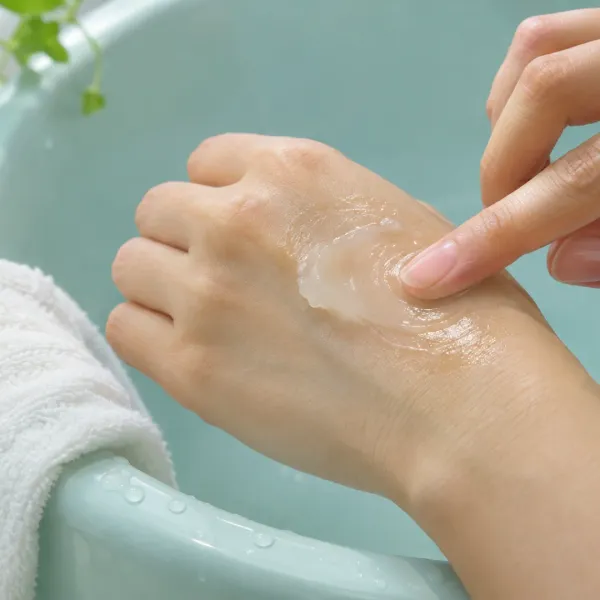
A gel cream is a moisturizer texture that blends a water-based, gel-like feel with a small amount of cream-style softness, so it usually feels lighter than a classic cream but a bit more cushioning than a plain gel. The term describes texture and format, not a regulated category, which means two products with the same name can behave quite differently. Let's read a product label together, the way you would at a store shelf or with the box in your hands, and sort out what the wording actually tells you.
One note on approach: this is an editor's explanation, not personal testing or professional advice. Skin varies a great deal, so treat everything here as general background rather than a prediction of how any single product will behave on your face.
What to look for on the label
Labels are written to sell as much as to inform, so it helps to separate the marketing words on the front from the ingredient list on the back. Below, each item is paired as "what it usually means" and "what people commonly assume."
The words "gel cream" on the front
What it usually means: The brand is describing a texture that feels fresh and spreads easily, often with a bouncy or jelly-like first touch that settles into something softer. Many people choose this format when a heavy cream feels too thick but a thin gel feels too slippery or not cushioning enough.
Common misconception: Some readers assume "gel cream" automatically means oil-free, non-greasy, or suitable for oily skin. The name does not guarantee any of those things. The ingredient list is a better guide than the product name.
The first several ingredients
What it usually means: Ingredients on cosmetic labels are generally listed from the highest amount to the lowest, so the first few entries tell you most about the base. In a gel cream, water is very often first, followed by humectants (ingredients that attract water to the skin's surface), thickeners that create the gel body, and some emollients (ingredients that soften and smooth).
Common misconception: People sometimes read the list as a ranking of how "good" each ingredient is. Position reflects relative amount, not quality or importance, and the order typically stops being meaningful toward the end of the list, where small-quantity ingredients can appear in varied order.
Humectants such as glycerin or hyaluronic acid
What it usually means: Humectants are commonly used in lightweight moisturizers because they help the product feel hydrating. Glycerin and hyaluronic acid are widely seen examples. According to general consumer guidance from the American Academy of Dermatology, moisturizers are often built from a mix of ingredient types that draw in water and help keep skin feeling soft.
Common misconception: A humectant alone does not lock moisture in. Many people expect a watery gel to be enough on its own, but whether it feels sufficient depends on your skin, the climate, and what else is in your routine.
Emollients and occlusives
What it usually means: These are the ingredients that give a cream its softness and help reduce water loss from the skin's surface. Gel creams usually contain less of them than rich creams, which is part of why they feel lighter. Common examples include certain plant oils, fatty alcohols, esters, and silicones.
Common misconception: The word "fatty alcohol" alarms some readers because it contains "alcohol." These are generally different from the drying, volatile alcohols people worry about, and they are commonly used as texture and softening ingredients. Individual reactions still vary.
Thickeners and gelling agents
What it usually means: Ingredients like carbomers, gums, or similar polymers give the product its jelly-like body. They are the reason the texture holds together rather than running like water.
Common misconception: A bouncy, jelly feel is sometimes read as a sign of "purity" or "lightness" in the formula. It is simply a texture result from the thickener system.
Fragrance, essential oils, and dyes
What it usually means: Fragrance, scented botanical extracts, and colorants are added for sensory appeal. In the United States, the FDA notes that cosmetic labels list ingredients, though the single word "fragrance" or "parfum" can stand in for a blend of components.
Common misconception: "Natural" scents are sometimes assumed to be gentler. Plant-derived ingredients can still bother sensitive skin, and "unscented" and "fragrance-free" are not always interchangeable terms on a package.
Related reading: What a Sleeping Mask Is in Skincare and How to Read the Label
Preservatives
What it usually means: Water-rich products need a preservation system so they do not grow microbes over time. Seeing preservatives on the list is normal for a water-based gel cream.
Common misconception: Some shoppers treat any preservative as a red flag. A water-based product without any preservation system would be a bigger concern, so the question is usually which system suits your skin, not whether one exists.
What the label does not tell you
Even a carefully read label leaves gaps. Knowing them keeps expectations realistic.
Exact amounts
Ingredient lists show order, not concentration. You cannot tell from the label whether a featured ingredient appears in a meaningful amount or only as a trace. Phrases like "with hyaluronic acid" on the front may describe a very small share of the formula.
How it feels on your skin
Texture descriptions like "cooling," "airy," or "melting" are subjective. The same product can feel refreshing on one person and insufficient on another, and it may feel different in a humid summer than in dry winter air.
Whether it will suit your skin
Labels cannot predict irritation, clogged pores, or sensitivity. Terms such as "non-comedogenic" or "for sensitive skin" are commonly used on packaging, but they are not a promise that any individual will avoid a reaction. The American Academy of Dermatology has general guidance that people with easily irritated skin may want to patch test new products, and a pharmacist or dermatologist can explain how to do that properly for your situation.
How it layers with other products
A gel cream may sit comfortably under sunscreen for one person and pill or feel sticky for another. Layering behavior depends on the other products' textures and ingredients, which no single label can describe.
Sun protection and medical claims
A moisturizer is generally meant to soften and hydrate the skin's surface. Unless a product is clearly labeled and regulated for sun protection, a gel cream should not be treated as a substitute for sunscreen. Likewise, a moisturizer is not a treatment for skin conditions such as eczema, rosacea, or acne, and the FDA draws a line between cosmetics and products making disease claims.
Matching a gel cream to your own skin
Skin type descriptions are rough guides, and many people shift between categories through the year. These are general patterns, not rules.
If your skin tends to feel oily or shine-prone
Lightweight, water-based textures are often popular with people who dislike a heavy film on the skin. A gel cream can be a middle path if a plain gel feels too thin. It is still worth checking the ingredient list for rich oils or heavy butters if heaviness is your concern.
If your skin tends to feel dry or tight
Some people with dry skin find a gel cream pleasant for daytime or warmer months but not enough by itself in cold, dry weather. Others use it as a lighter layer under a richer product. If dryness is persistent, cracked, or itchy, that is a good moment to talk with a clinician rather than adjusting products alone.
If your skin is sensitive or reactive
A shorter ingredient list is often easier to evaluate, and fragrance-free options are commonly chosen by people who react to scents. Reactions vary from person to person, so a "gentle" label is a starting point, not reassurance. Redness, burning, swelling, or rash after trying a product is a reason to stop using it and seek advice from a pharmacist or dermatologist.
If you are acne-prone
Some people with breakout-prone skin prefer lighter textures, but texture alone does not decide whether a product will cause problems. Ingredient sensitivities differ widely. If acne is persistent or painful, a dermatologist can discuss options suited to you, which is a medical question beyond what a moisturizer label can answer.
If you use active ingredients or prescriptions
People using retinoids, exfoliating acids, or prescription topicals often wonder how a moisturizer fits in. How to combine them depends on the specific products and your skin's tolerance, so a pharmacist or prescriber is the right person to ask rather than a general article.
If your skin changes with the seasons
Many people keep a lighter texture for humid months and a richer one for dry or cold ones. A gel cream often lands in the "in-between" part of that range, which is one reason the format is popular for transitional weather.
Related reading: Skincare Routine for Combination Skin: Build It on Habits
Frequently asked questions
Is a gel cream the same as a gel moisturizer?
Not exactly, because a gel cream is generally described as having a bit more softness and cushion than a plain gel. If you find plain gels feel thin or evaporate too quickly on your skin, a gel cream may feel more comfortable, while the reverse may be true if you want the lightest possible feel. The names are not strictly regulated, so the ingredient list and your own experience of the texture matter more than the label wording.
Can a gel cream replace sunscreen?
No, unless the product is specifically labeled and regulated as a sunscreen. A moisturizer is generally intended to soften and hydrate, and sun protection claims are treated separately by regulators such as the FDA. If a product does carry a sun protection label, a pharmacist or dermatologist can explain how it fits with the rest of your routine.
If my skin reacts to a new gel cream, what should I do?
If you notice burning, swelling, a spreading rash, or other strong reactions, stopping the product and speaking with a pharmacist or dermatologist is the usual guidance. Mild reactions can still be worth mentioning to a professional, particularly if you have a skin condition or use prescription products. Keeping the packaging and ingredient list handy helps them understand what your skin was exposed to.
Does a gel cream suit every skin type?
Not necessarily, since suitability depends on your skin's needs, the climate, and the specific formula. If your skin feels tight soon after applying a lightweight product, it may call for a richer texture, whereas if a thicker cream feels heavy, a gel cream may be a more comfortable fit. The same formula can also feel different from one season to the next.
One last check before you buy: read the full ingredient list for anything your skin has reacted to before, and if you are unsure, ask a pharmacist or dermatologist rather than relying on the front-of-box description of a gel cream.
Disclaimer: This article is for informational purposes only and is not a substitute for professional medical advice, diagnosis, or treatment. Please consult a licensed professional for personal health decisions.