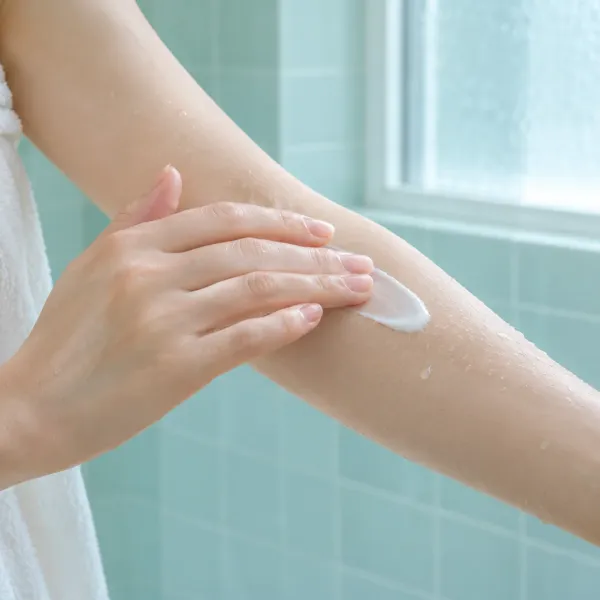
What a Sleeping Mask Is in Skincare and How to Read the Label
A sleeping mask is a leave-on skincare product designed to stay on the skin overnight, usually as the last step of an evening routine, rather than being rinsed off after a few minutes like a traditional face mask. That is the short answer, and it is also where most of the confusion starts, because the name suggests something more dramatic than the category usually delivers. Let's read a typical jar or tube together, line by line, so you can tell what the wording means and what it leaves out.
One note before we start: this is an information piece from an editor's perspective, not dermatology advice. Skin varies a lot from person to person, and the label on your specific product always outranks any general explanation here.
What to look for on the label
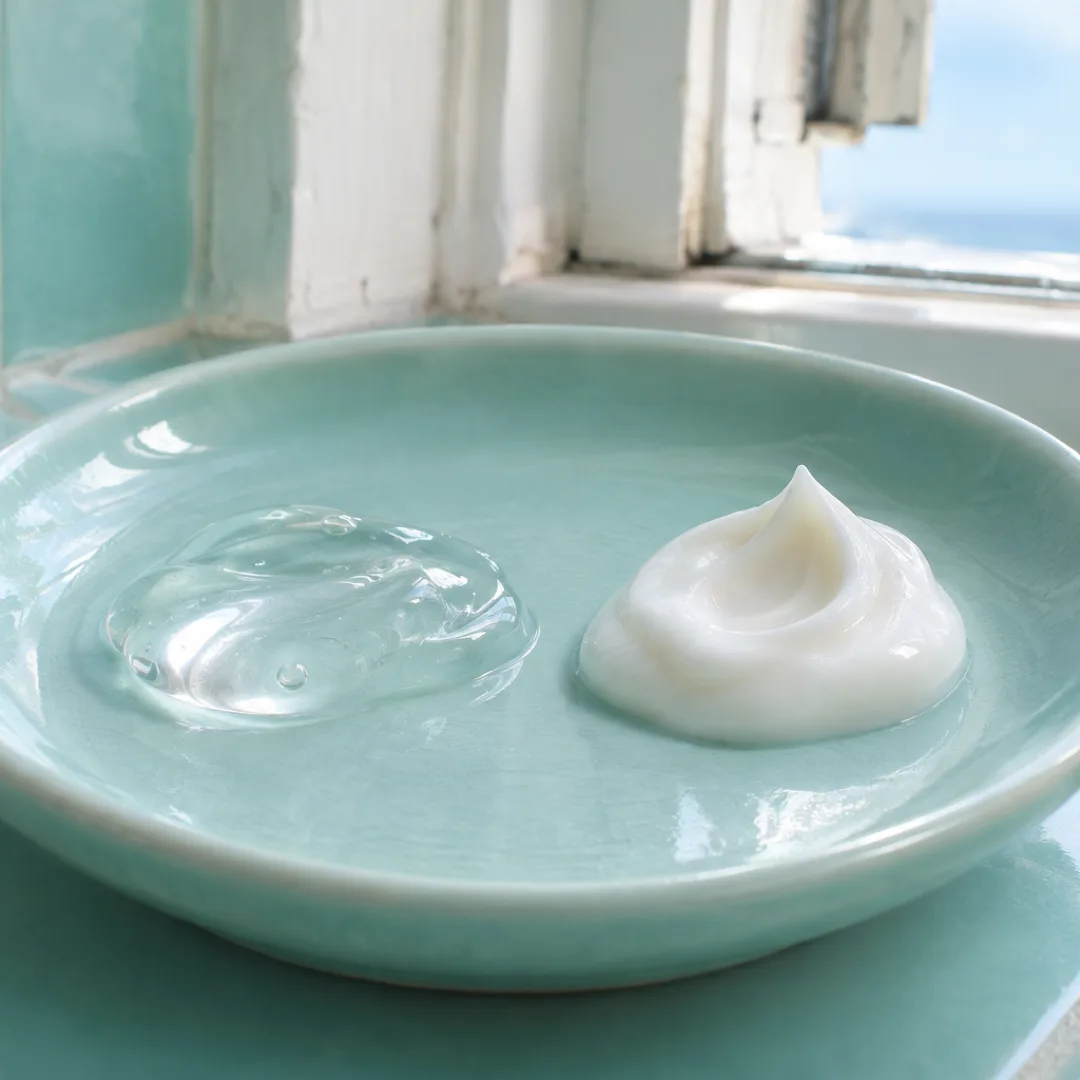
Most sleeping masks share a handful of label elements. Each one has a plain meaning and a common misreading, so it helps to take them in pairs.
The product name and category wording
What it means: Terms like "sleeping mask," "overnight mask," or "night pack" generally describe a leave-on cream, gel, or gel-cream meant to be worn while you sleep. It is typically positioned as a final layer that sits over the rest of an evening routine. In many cases it works as a moisturizer with a particular texture or ingredient emphasis.
The common mix-up: People often assume "mask" means a stronger or more intensive treatment than a regular night cream. In practice, the word describes how the product is used and how it feels, not a guaranteed difference in what it does. Some sleeping masks are quite similar to richer night moisturizers, while others lean on a more occlusive or gel-like feel.
The claim words on the front
What it means: Front-of-pack wording such as "hydrating," "soothing," "nourishing," or "radiance" is marketing language describing the intended experience. Cosmetics in the United States are generally meant to cleanse, beautify, or alter appearance, and the FDA distinguishes these cosmetic claims from drug claims that relate to treating or preventing disease.
The common mix-up: Readers sometimes treat a claim like "repairing" or "renewing" as a medical promise. It is better read as a description of how the product is meant to make skin look or feel. If a product starts talking about treating a skin condition, that is a signal to read more carefully and to ask a professional, not a reason to trust it more.
The ingredient list
What it means: Ingredients are generally listed in descending order of amount, apart from those present in very small quantities, which can appear in any order. So the first several entries tell you what the formula is mostly made of. Water, glycerin, and various emollients or film-forming ingredients often show up near the top of overnight products.
The common mix-up: A hero ingredient mentioned in big letters on the front may sit far down the list, which can mean there is relatively little of it. The list does not tell you the exact concentration, so it is not a measure of strength. Also, a long list of botanical extracts does not automatically mean a better or gentler product.
Humectants, emollients, and occlusives
What it means: When people describe moisturizing products, they often sort ingredients into rough roles. Humectants, such as glycerin or hyaluronic acid, are commonly described as drawing water toward the skin. Emollients soften and smooth the skin's surface feel. Occlusives form a barrier layer that helps slow water loss from the skin. Many overnight products combine these roles, and the occlusive element is often what gives a sleeping mask its cushiony, slightly tacky finish.
The common mix-up: People sometimes think a heavier texture equals more hydration. A thick layer can help hold in moisture that is already there, but it does not add water by itself. How a rich texture feels also depends heavily on your skin type, the climate, and what you layered underneath.
Fragrance, essential oils, and colorants
What it means: You may see "fragrance," "parfum," or plant-derived oils in the list. These are added for scent or sensory feel, and they are a known source of irritation or allergic-type reactions for some people. Because a sleeping mask stays on for hours, contact time is longer than with a rinse-off product.
The common mix-up: "Natural" or "plant-based" is often read as "gentle." Reactions vary from person to person regardless of whether an ingredient is synthetic or botanical, and some natural substances are common triggers. "Fragrance-free" and "unscented" are also not always the same thing, since unscented products can still contain masking ingredients.
Active ingredients
What it means: Some overnight products include actives such as exfoliating acids, retinoids, or vitamin C derivatives. These ingredients are usually discussed in relation to texture, tone, or the look of fine lines, and many people find them more irritating than basic moisturizing ingredients. The label may call out the active directly, and sometimes includes a caution about frequency of use or sun exposure.
The common mix-up: Because sleeping masks sound gentle and restful, people sometimes layer them over other actives without thinking about the combined load. When an overnight product contains an active, the product's own instructions and a professional's input matter more than general advice. Amounts and frequency are best taken from the packaging, not guessed.
"How to use" and caution text
What it means: The directions on the package describe how the manufacturer intends the product to be used, and the caution section may mention keeping it away from the eyes, stopping use if irritation occurs, or patch testing. Reading this section is the single most useful habit, because it reflects the specific formula in your hand.
The common mix-up: People often skip this panel because they assume all sleeping masks work the same way. They don't, and the guidance for one formula may not apply to another. The FDA's general consumer guidance on cosmetics notes that manufacturers are responsible for the safety of their products, but individual reactions can still occur, so paying attention to your own skin matters.
What the label does not tell you
Even a carefully read label leaves gaps. Knowing them keeps expectations realistic.
- How your skin will react. A label cannot predict sensitivity. Two people can use the same product and have different experiences, from comfortable to irritated.
- How much of an ingredient is inside. Position on the list hints at proportion, but concentrations are generally not printed for most cosmetic ingredients.
- Whether it will suit your pores. Rich overnight textures are sometimes associated with congestion or breakouts in people who are prone to them, but this varies. A label does not flag that.
- How it interacts with the rest of your routine. The product only lists itself. Pairing it with exfoliating acids, retinoids, or other leave-on products can change how it feels on the skin.
- Whether claims have been independently verified. Cosmetic claims are generally not reviewed by the FDA before products go to market, so the wording is the maker's description, not an independent finding.
It is also worth being honest about what a sleeping mask is not. It is not a medical treatment, and it is not a substitute for care if you have a persistent skin concern. A moisturizing layer may make skin feel more comfortable and look smoother, but it does not change the underlying cause of conditions like eczema, rosacea, or acne, which are better discussed with a qualified professional.
Another gap: overnight does not mean instant. The way the skin looks in the morning often reflects hydration and surface smoothness, which can be temporary. Any lasting change in skin appearance generally develops gradually and depends on many factors, including sun protection, sleep, and overall routine.
Related reading: What "For All Skin Types" Really Means on Skincare Labels
Matching a sleeping mask to your own skin
Because the label can't tell you how a product will behave on your face, it helps to think about your own skin's tendencies. These are general patterns, not diagnoses.
If your skin often feels tight or dry
People with dry skin often gravitate toward richer textures with humectants and emollients, since an overnight layer can help the skin feel cushioned by morning. Look at the ingredient list for familiar moisturizing components and be cautious with heavy fragrance. If dryness is persistent, flaky, or itchy, that may point to something a professional should look at rather than a product problem.
If your skin is oily or acne-prone
Heavy occlusive textures can feel uncomfortable on oily skin, and some people who are prone to breakouts find rich overnight products do not suit them. Lighter gel-type formulas are often described as a more comfortable fit, though individual results differ. If you are managing acne, it is sensible to ask a pharmacist or dermatology professional how an overnight product might fit alongside anything you already use.
If your skin is sensitive or reactive
Sensitive skin tends to react to fragrance, essential oils, and strong actives, and an overnight product has hours of contact time. Short, simple ingredient lists are often preferred by people in this group, but a short list is not a guarantee of tolerance. Patch testing in a small area, following the product's own instructions, is commonly suggested on packaging, and a professional can advise if you have a history of reactions.
If you already use actives or prescription products
If you use retinoids, exfoliating acids, or any prescribed topical, an additional overnight layer can change how your skin feels. Whether to combine them, and how, is a question for your prescriber or pharmacist, since I can't tell you what suits your situation. Product directions and your clinician's guidance should take priority over general routines found online.
When to stop and get professional input
Burning, swelling, persistent redness, rash, or worsening itch after using a leave-on product are reasons to stop using it and speak with a healthcare professional. The same goes for any skin change that doesn't settle or that you are unsure about. According to the FDA's general consumer information on cosmetics, people who experience a bad reaction can also report it to the agency, and a clinician can help work out what happened.
Frequently asked questions
Is a sleeping mask the same as a night cream?
They overlap a lot, and for many products the difference is mostly texture and marketing. If a product is a leave-on layer meant to stay on overnight, it fits the sleeping mask idea even if the jar says night cream. The ingredient list and directions on your specific product tell you more than the name does.
Can a sleeping mask replace my regular moisturizer?
If your regular moisturizer already keeps your skin comfortable, a sleeping mask is generally an optional extra rather than a replacement. Some people use an overnight product in place of a night moisturizer, while others add it as a final layer, depending on how their skin feels. Because needs differ by skin type and climate, it is reasonable to check the product's directions and ask a professional if you are unsure.
Why might my skin react to an overnight product when daytime products are fine?
If a sleeping mask contains fragrance, essential oils, or an active ingredient, the longer contact time overnight can make a reaction more noticeable than with products that are rinsed off or worn briefly. Layering it over other actives can also add to the overall load on the skin. If irritation appears, stopping the product and speaking with a healthcare professional is the usual advice.
What is one last thing to check before buying a sleeping mask?
Read the full ingredient list and caution panel against your own skin history, especially for fragrance, essential oils, and actives you already react to or already use. If you have a known sensitivity, a skin condition, or a prescribed topical, ask a pharmacist or dermatology professional before adding a new overnight product to your routine.
Disclaimer: This article is for informational purposes only and is not a substitute for professional medical advice, diagnosis, or treatment. Please consult a licensed professional for personal health decisions.