How to Care for Wind Chapped Cheeks: Find the Cause First
Two people can both end up with red, rough cheeks after a windy week, yet the fix for each can look quite different. Learning how to care for wind chapped cheeks starts with working out why your skin reacted, because dry air, a worn-down skin barrier, and product irritation each call for a different approach. Guess wrong and you may spend weeks layering richer creams on skin that actually needed less, not more. This guide separates the common causes, explains how to tell them apart at home, and covers what generally helps across all of them.
Why Cheeks Chap in the Wind: Sorting Out the Likely Causes

Wind itself is rarely the whole story. Moving air pulls moisture off the skin surface faster than usual, and cold weather often means low humidity outdoors and dry heated air indoors. Cheeks are exposed, they have little protection, and they tend to get rubbed by scarves, tissues, and hands. When the outer layer of the skin loses water and oils faster than it can replace them, the surface can feel tight, look flaky, and turn pink or red.
According to the American Academy of Dermatology's general skin care guidance, cold, dry weather can leave skin dry and irritated, and the habits people adopt in winter, such as hot showers and harsh cleansing, can add to the problem. That means a pair of chapped cheeks is often the result of weather plus routine, not weather alone.
For practical purposes, it helps to think of three broad branches:
- Simple dryness: the skin is short on water and oils, but the barrier is mostly intact.
- A compromised skin barrier: the surface is damaged, often from over-cleansing, exfoliating, or repeated rubbing, so it stings and reacts easily.
- Something else mimicking windburn: a skin condition or a reaction to a product, which can look similar but behaves differently.
These branches overlap, and it is common to have more than one at once. Still, identifying which one dominates can save you a lot of trial and error. If you want broader background on seasonal dryness, see our related piece. winter dry skin basics
When the Cause Is Simple Dryness
How to tell if this is your situation
Simple dryness usually feels tight and rough rather than painful. The skin may look dull, show fine flaking, and feel better soon after a gentle moisturizer goes on. Stinging with ordinary products is uncommon in this case, and the redness tends to be mild. It often appears or worsens after time outdoors or in heated rooms and eases when you spend a day in a more humid space.
What generally helps
When dryness is the main issue, the goal is to slow moisture loss and replace what the skin lacks. The American Academy of Dermatology's general advice for dry skin points toward gentle, fragrance-free cleansing and moisturizing, and many people find that a thicker cream or ointment-style moisturizer holds up better in wind than a light lotion. Ingredients commonly found in barrier-supporting moisturizers include glycerin, ceramides, and petrolatum-based formulas. These are widely used, though how they feel and perform varies from person to person.
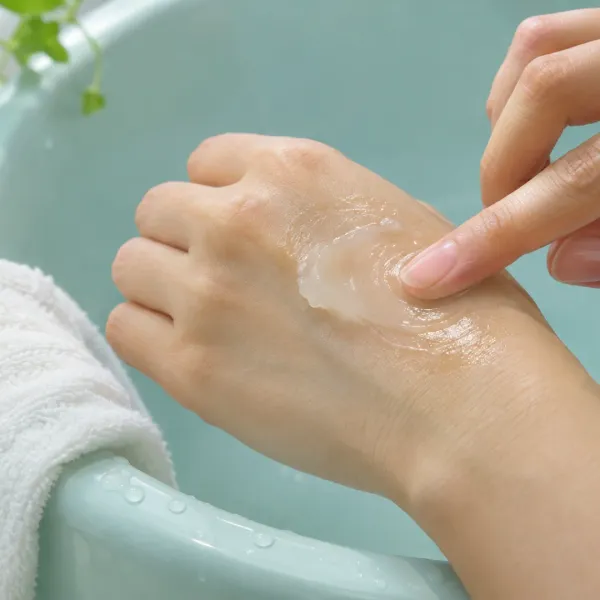
Timing matters too. Moisturizers are generally described as working best when they go onto skin that is still slightly damp after cleansing, since they help hold in that surface water. A protective layer before heading outside, plus a scarf or loose covering that does not rub, can reduce how much the wind reaches the skin.
What gets wasted if you misread it
If your cheeks are actually barrier-damaged or irritated, piling on more products can backfire. Fragrance, essential oils, and active ingredients that feel fine on healthy skin may sting or inflame skin that is already struggling. If a richer routine seems to make things burn or itch, that is a sign to step back and consider the next branch.
When the Cause Is a Damaged Skin Barrier
How to tell if this is your situation
A compromised barrier tends to feel different from plain dryness. Products that were comfortable before may now sting or tingle. The skin can look shiny, raw, or persistently red, and it may feel hot or tender to the touch. Peeling can be more noticeable. People often land here after a stretch of using exfoliating acids, retinoids, scrubs, strong cleansers, or cleansing tools, then adding cold wind on top.
Another clue is timing. If the discomfort began or worsened after you started a new active product, or after a change in cleansing habits, the weather may only be the final push. Skin barrier irritation can also linger long after the wind has passed.
What generally helps
The usual guidance for irritated, barrier-damaged skin is to simplify. That generally means a mild, fragrance-free cleanser, a plain moisturizer, and a pause on exfoliants, strong actives, and anything that stings. Many skin care sources describe this as a "back to basics" approach, giving the skin time to recover rather than treating it with more products. How long recovery takes differs between people, and it is not something that can be promised on a fixed schedule.
If you use prescription topical products, such as retinoids, do not change how you use them on your own because of chapping. Questions about adjusting a prescribed product belong with the prescriber or a pharmacist, who can advise based on your situation and the product's instructions.
What gets wasted if you misread it
Treating a damaged barrier like ordinary dryness often means adding more layers, more steps, and more fragrance. Treating it as an "oily or congested" problem and reaching for drying or exfoliating products tends to make it worse. If your skin keeps stinging despite a very simple routine, that is useful information in itself and a reason to consider professional input. signs of a damaged skin barrier
When It May Be Something Else
How to tell if this is your situation
Sometimes what looks like windburn is another issue. Persistent redness that comes and goes with flushing, itchy scaly patches, a rash that spreads, small bumps, or irritation that appears after using a particular product can point toward conditions such as eczema, rosacea, or contact dermatitis. These can be triggered or worsened by wind and cold, which is part of why they get mistaken for simple chapping. Only a clinician can tell them apart, so this guide does not attempt a diagnosis.
Some general signals that it may not be ordinary wind chapping:
- The redness or rash keeps returning in the same areas even in mild weather.
- The skin is very itchy, swollen, oozing, or crusting.
- Symptoms follow a new skincare, cosmetic, or laundry product.
- There is significant pain, blistering, or signs that look like infection.
What generally helps
In these cases, the most useful step is usually a professional opinion rather than more experimenting at home. A dermatologist or other qualified clinician can look at the skin, ask about triggers, and suggest suitable options. The National Eczema Association and the American Academy of Dermatology both describe gentle skin care and trigger avoidance as common parts of managing sensitive or reactive skin, but the right plan depends on the underlying cause.
What gets wasted if you misread it
Treating a possible skin condition as "just chapped" can mean months of ineffective moisturizing while the underlying issue continues. On the other hand, you do not need to assume the worst after one rough, windy weekend. A pattern over time is more informative than a single flare.
What Helps Across All the Causes
Whichever branch fits you, a few habits are broadly useful for wind-exposed skin. None of them is a guarantee, and responses differ, but they line up with commonly shared skin care guidance.
Be gentle with cleansing
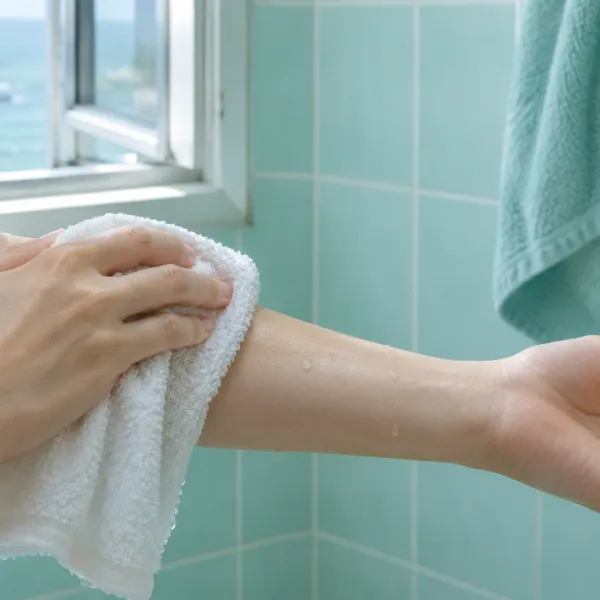
Very hot water and harsh cleansers can strip the skin's natural oils. Lukewarm water and a mild, fragrance-free cleanser are widely suggested for dry, easily irritated skin. Patting the face dry with a soft towel instead of rubbing also reduces friction on already sensitive cheeks.
Protect the skin outdoors
A soft scarf, a high collar, or a loose face covering can block wind. Choose fabrics that do not scratch, and consider washing items that touch your face, since residue from detergents or old products can add irritation. Sun exposure continues in cold weather, and the American Academy of Dermatology and the U.S. Food and Drug Administration both discuss sun protection as a year-round concern. Sunscreen labels and instructions vary, so check the product label, and ask a pharmacist or clinician if you are unsure which type suits sensitive skin.
Add moisture to the air
Heated indoor air is often very dry. Some people find that a humidifier makes rooms more comfortable, though it needs regular cleaning according to the manufacturer's directions to avoid problems of its own. Reducing time right beside heaters can also help.
Avoid picking and peeling
Pulling at flaking skin can deepen irritation and slow recovery. If peeling is bothersome, a plain moisturizer is generally the gentler route. Leave anything stronger to a professional's advice.
Watch your product list
Fragrance, alcohol-heavy toners, scrubs, and strong acids are common irritants for chapped skin. If you are not sure whether a product is contributing, consider pausing newer additions one at a time rather than changing everything at once, so you can see what made a difference. A pharmacist can help you read ingredient labels if you want a second set of eyes. how to read skincare ingredient labels
Conclusion
Caring for wind chapped cheeks goes better when you treat the cause rather than the redness. If the skin is simply dry, protection and a suitable moisturizer are the usual focus. If it stings, looks raw, or reacts to things that were fine before, the barrier is probably stressed and a simpler routine is generally the sensible direction. If the pattern keeps returning, itches intensely, spreads, or follows a product change, another skin issue could be involved, and that is a question for a clinician.
When you cannot tell which branch fits, you have a few reasonable options. You can keep your routine minimal for a while and watch how the skin responds, you can ask a pharmacist about gentle product choices, or you can book a visit with a dermatologist or your primary care provider for a proper look. Seek care sooner if there is severe pain, blistering, swelling, signs of infection, or if the problem is not improving over time.
Frequently asked questions
Can wind chapped cheeks be a sign of something other than weather?
Yes, if the redness or rash keeps coming back in mild weather, is very itchy, or follows a new product, another skin issue may be involved. Conditions such as eczema, rosacea, or contact dermatitis can look like windburn and can be triggered by wind and cold. A clinician is the right person to sort that out.
Should I use more products when my cheeks start to sting?
If your cheeks sting, adding more products often makes things worse rather than better. Stinging is a common sign that the skin barrier is stressed, and the usual guidance is to simplify to a mild cleanser and a plain moisturizer. If stinging continues, a pharmacist or dermatologist can help you decide what to change.
Does a thicker moisturizer always work better than a lotion?
If your skin is mainly dry and the wind is the trigger, many people find richer creams and ointment-style formulas hold up better outdoors than light lotions. Feel and tolerance vary, though, and fragrance or certain additives can irritate sensitive skin. Checking the label and asking a pharmacist can help you choose.
When is it time to see a professional about chapped cheeks?
If you notice severe pain, blistering, swelling, oozing, signs of infection, or a problem that keeps returning or is not improving, it is reasonable to seek professional care. The same applies if you suspect a reaction to a product or an underlying skin condition. Earlier input can spare you weeks of guesswork.
Disclaimer: This article is for informational purposes only and is not a substitute for professional medical advice, diagnosis, or treatment. Please consult a licensed professional for personal health decisions.