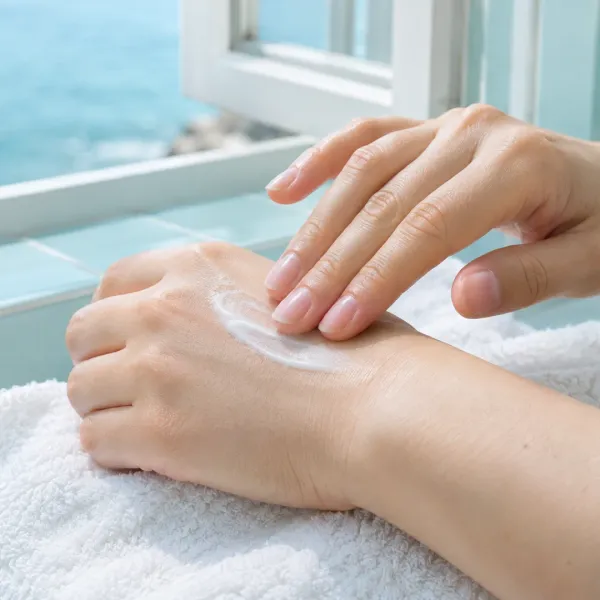
What a Cleansing Balm Is and How It Works
A cleansing balm is a solid, oil-based cleanser that softens into a silky oil when it warms against your skin. It is designed to dissolve makeup, sunscreen, and surface oil, then rinse away with water or be wiped off with a damp cloth. Below, you will find what the product actually contains, when it makes sense in a routine, how it differs from similar cleansers, and what to consider before adding one.
The Exact Meaning of a Cleansing Balm
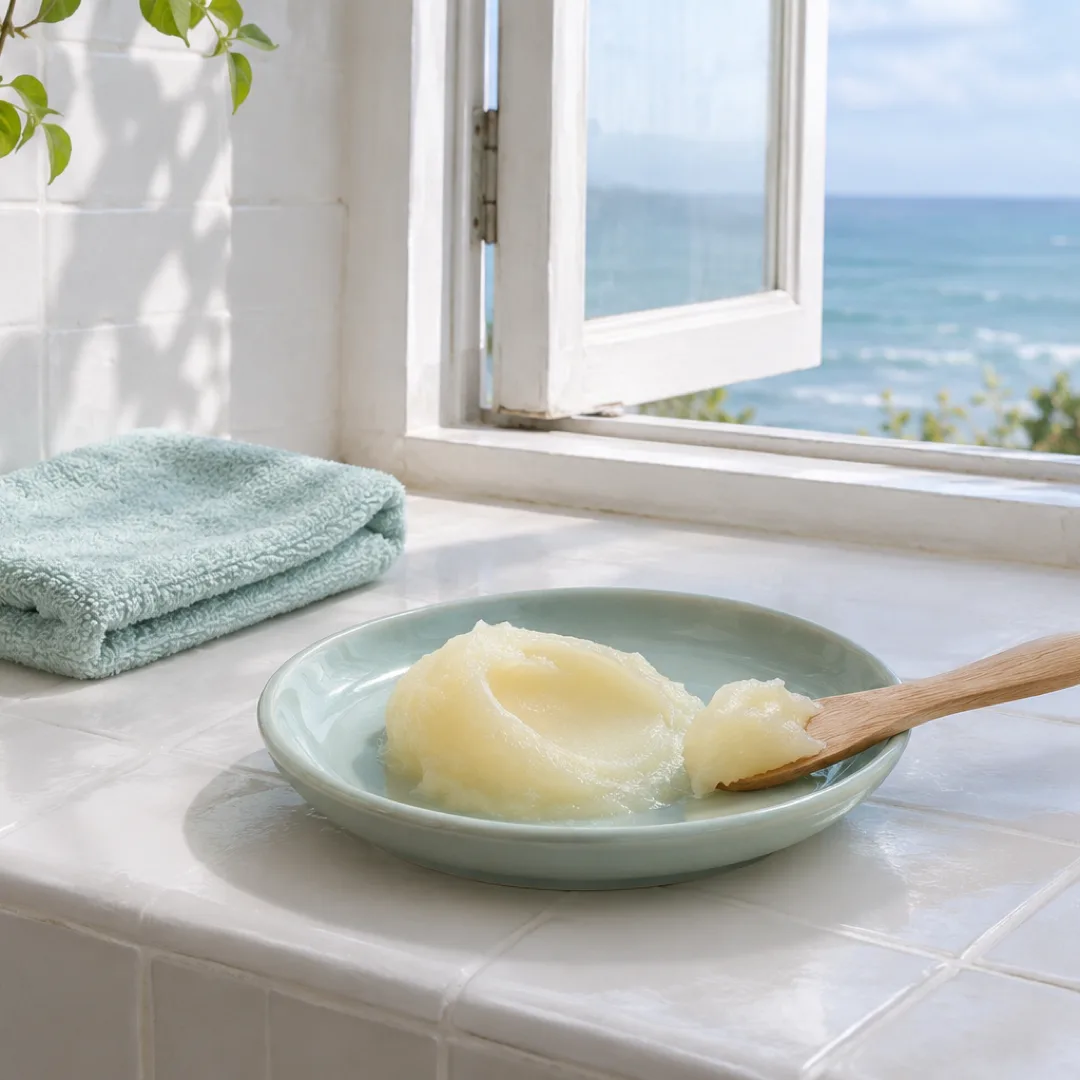
The word "balm" can be misleading. In this category it does not mean a medicated ointment or a lip balm. It simply describes the texture: a thick, scoopable or sliceable solid that sits between a wax and a butter. Most are made from a blend of plant oils or emollient esters, a waxy structuring ingredient that keeps the product firm, and an emulsifier that helps the oil rinse off rather than leaving a greasy film.
The basic ingredient groups
An emollient (an ingredient that softens and smooths the skin surface) forms the oily base. A wax or butter gives the product its solid form. An emulsifier (an ingredient that lets oil and water mix) turns the melted oil into a milky film when water is added. Some formulas also include fragrance, essential oils, or plant extracts, which matters for people with sensitive skin.
Why oil can remove oil
Cosmetic chemistry often relies on the idea that like dissolves like. Many makeup products, waterproof sunscreens, and sebum (the natural oil your skin produces) are oil-friendly, so an oil-based cleanser can loosen them more readily than water alone. Think of it like wiping a greasy pan with a little oil on a paper towel before washing: the oil helps lift what water would only slide over. That is the one comparison worth keeping in mind, because the rest comes down to formulation details.
Situations Where a Cleansing Balm Is Typically Used
Cleansing balms are most often reached for at the end of the day, when there is more to remove than ordinary dirt. People who wear long-wear makeup, tinted products, or water-resistant sunscreen often find that a gentle foaming wash alone feels like it leaves residue behind. A balm is one way to handle that first step.
The first step in a two-step routine
Many people use a balm as a first cleanse, followed by a water-based cleanser. This pairing is commonly called double cleansing. The idea is that the oil-based step lifts makeup and sunscreen, while the second step rinses away leftover residue. Whether a second step is needed depends on how much you wear, how your skin feels afterward, and your personal preference.
Dry or dehydrated skin days
Because balms are rich, some people with dry or tight-feeling skin enjoy them for the comfort they provide during cleansing. Others find that any extra oil on the face feels heavy. Skin type is only one factor; climate, season, and the rest of your routine also shape how a balm feels.
Travel and minimal routines
A solid balm in a small tin is easy to pack, and some people like that one product can handle makeup removal and a basic cleanse. That convenience is real, but it does not mean the product suits everyone.
Related reading: How to Build an Evening Routine in Five Minutes
Cleansing Balm Versus Similar Products
Several products sound alike and get mixed up. Knowing the differences helps you pick based on texture and need rather than marketing language.
Cleansing oil
A cleansing oil is the liquid cousin of a balm. The chemistry is similar, but the oil comes in a bottle or pump and spreads more quickly. Balms are firmer, which some people find less messy and easier to control, while others prefer the speed of a pour-and-massage oil.
Micellar water
Micellar water is a water-based liquid containing tiny cleansing particles called micelles (small clusters of molecules that attract oil and dirt). It is typically applied with a cotton pad rather than massaged on. It feels light, but heavy or waterproof makeup can take more effort to remove with it, and some people prefer to rinse afterward.
Cold cream and cleansing milk
Cold cream and cleansing milks are emulsions, meaning oil and water are already blended together. They feel creamier and often less slippery than a balm. A balm tends to be more concentrated in oil, which changes how it spreads and rinses.
Foaming cleansers and gel washes
These are water-based and rely on surfactants (cleansing agents that lift dirt so it can be rinsed off). They are usually used as a standard daily wash. A balm is more often used for removing heavier products, although some people use one on its own as their only cleanser.
Medicated or treatment balms
A cleansing balm is a cosmetic product for cleaning the skin. It is not a medicated ointment and should not be treated as a substitute for one. Questions about skin conditions belong with a qualified healthcare professional.
Why Understanding the Product Matters
Knowing what is inside a balm and what it is meant to do helps you avoid common problems. Most of these come from using the product in a way that does not match your skin or the rest of your routine.
Rinsing and residue
A balm that is not fully removed can leave a film, and some people notice that this feels heavy or seems to clog pores. Whether residue is a concern depends on the formula and on how thoroughly it is rinsed. If a product leaves a noticeable coating, that is useful information about whether it suits you.
Fragrance, essential oils, and sensitivity
Many balms include scent or plant extracts. According to the U.S. Food and Drug Administration, cosmetics are not required to go through FDA approval before sale, so ingredient lists and your own skin's response are important guides. Reactions vary from person to person, and fragrance-free options exist for those who prefer to avoid scent.
Eye area and contact lenses
Oil-based products near the eyes can cause stinging or blurry vision if they get in. Some formulas are marketed as suitable for eye makeup, but individual comfort differs. If you wear contact lenses or have sensitive eyes, check the label and consider asking an eye care professional about what suits you.
Acne-prone and oily skin
People with oily or breakout-prone skin sometimes worry that any oil-based product will make things worse. Experiences differ, and ingredient choice, rinsing habits, and personal skin behavior all play a part. If you are dealing with persistent breakouts, a dermatologist or other licensed professional can advise on what fits your situation.
When to stop and seek advice
Redness, burning, itching, swelling, or a rash after using any new skincare product is a reason to stop using it and speak with a healthcare professional. Patch testing a new product on a small area of skin before regular use is a commonly mentioned precaution, and the product label or a pharmacist can explain how it is usually done.
Related reading: How Long Should You Try a New Product Before Judging It?
How This Knowledge Changes Your Decisions
Once you understand what a cleansing balm is, two choices become clearer.
- Whether you need one at all. If you rarely wear makeup or heavy sunscreen, a gentle water-based cleanser may already cover your needs. If you regularly wear long-wear products, a balm is one of several ways to deal with them, alongside cleansing oils and other removers.
- Which formula to choose and how to judge it. Reading the ingredient list for fragrance and essential oils, noticing how well the product rinses, and paying attention to how your skin feels afterward gives you better information than packaging claims. If something does not feel right, it is reasonable to move on.
Frequently asked questions
Is a cleansing balm the same as a cleansing oil?
No, they are close relatives rather than identical products. Both use oil to loosen makeup and sunscreen, but a balm is solid and softens with warmth, while a cleansing oil is liquid from the start. Which feels better often comes down to texture preference.
Do I need a second cleanser after using a balm?
If the balm rinses clean and your skin feels comfortable, some people stop there. If you notice a film or wear heavy makeup, others add a water-based wash as a second step. It depends on your formula, your routine, and how your skin responds.
Can a cleansing balm be used around the eyes?
If the label says it is formulated for the eye area and your eyes tolerate it, some people use it there. Oil-based products can sting or blur vision if they get into the eyes, so check the packaging first. If you have sensitive eyes or wear contacts, an eye care professional can advise you.
What if my skin reacts after using one?
If you notice redness, burning, itching, or swelling, stopping the product is the commonly advised step, and a healthcare professional can help work out the cause. Ingredients such as fragrance or plant extracts are sometimes involved, but only a professional can assess your individual case.
Disclaimer: This article is for informational purposes only and is not a substitute for professional medical advice, diagnosis, or treatment. Please consult a licensed professional for personal health decisions.