How Long Should You Try a New Product Before Judging It?
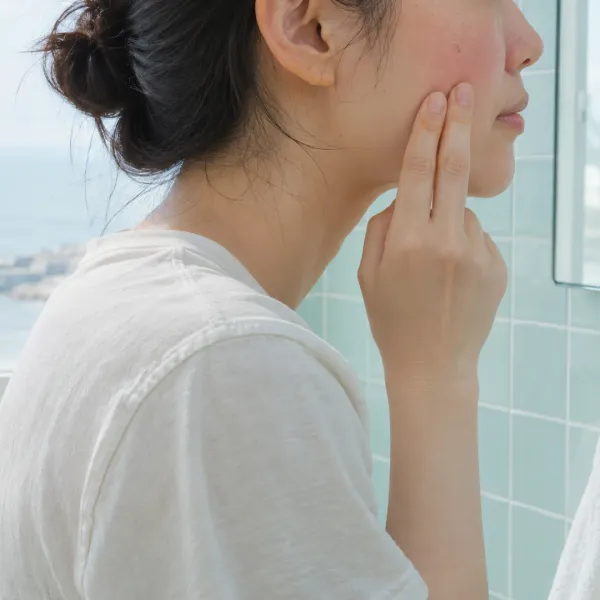
How long you should try a new product before judging it depends mostly on what the product is meant to do, and the usual answer is longer than a few days but shorter than forever. Skin changes slowly, so a gentle moisturizer may feel right or wrong fairly quickly, while products aimed at tone, texture, or breakouts are usually given several weeks before anyone draws a conclusion. Irritation is the exception: stinging, burning, swelling, or a spreading rash is a reason to stop and not wait it out.
The real question behind the search is usually practical: when can a new product become part of normal life, and when do you call it a match or a miss? This article walks through that by activity, starting with going out and about, then exercise, cleansing and makeup, and finally the situations where extra caution makes sense. It is general information, not a personal plan, and skin reactions vary from person to person.
Going to work or heading out with a new product on your face

When most people feel comfortable going out
For a basic product such as a gentle cleanser or moisturizer, many people feel comfortable wearing it out the same day if their skin shows no obvious reaction. Active products, such as exfoliating acids or retinoid-type ingredients, are often introduced more gradually, and the product label is the place to check the maker's suggested pace.
Why the early days are a poor verdict
The first days mostly show whether your skin tolerates a product, not whether it works. Mild tightness, a slightly different feel, or a bit of dryness can appear as skin adjusts, and these early impressions can be misleading in either direction. A product that feels luxurious on day one may do little over time, and one that feels plain may turn out to suit you well.
Exceptions: when going out is not the time to test
Avoid trying something new right before an important event, a photo shoot, or travel. If a reaction happens, you want a quiet stretch of days to sort out the cause. Sun exposure also matters, since some ingredients may make skin feel more sensitive to sunlight, and the American Academy of Dermatology offers general sun protection guidance worth reading if you are adding active ingredients.
Working out while testing a new product
Typical timing for exercise
Light exercise is generally fine with a gentle, well-tolerated product once your skin has settled after application. The more useful question is whether you want a new product on your face during a sweaty session, and many people prefer to wait until they know how it behaves.
Why sweat changes the picture
Heat and sweat can make skin more reactive, and they can make a new product feel stingy even when it would be comfortable at rest. If a breakout or irritation appears, it is hard to tell whether the product, the sweat, or a gym towel is responsible. Changing only one thing at a time makes the cause easier to spot.
Exceptions worth noting
Outdoor workouts add sun, wind, and cold air to the mix, all of which can affect how a product feels. If your skin already tends to be sensitive, giving a new product a few calm, low-sweat days first can keep the trial clearer. Persistent burning during or after exercise is worth taking seriously and is a reason to pause.
Cleansing, layering, and makeup during the trial period
How long a fair trial usually lasts
There is no single number that fits every product, but general expectations help. Hydrating and soothing products often show their character fairly early, because they work on surface comfort. Products aimed at uneven tone, rough texture, or recurring blemishes usually need consistent use over a number of weeks, and skin renews itself gradually, so visible change tends to be slow. Results vary, and some products do not suit certain people at all.
Why changing one product at a time matters
If you add a new serum, switch your cleanser, and try a different foundation in the same week, you will not know which one caused what. A steadier approach is to keep the rest of your routine familiar while a single new item is under review. Keeping brief notes on how your skin looks and feels can make the verdict less dependent on memory and mood.
Related reading: Morning vs Evening Skincare Routine: How to Choose What Fits You
Makeup and exceptions
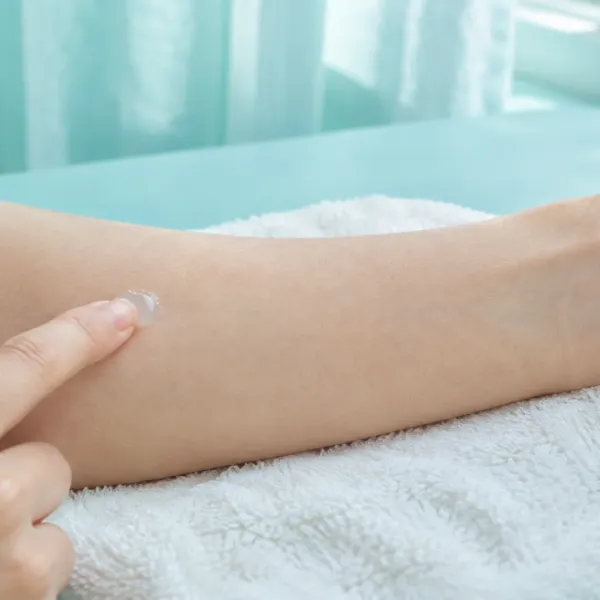
Makeup can be worn over most well-tolerated products, though some layers pill or separate, which says more about compatibility than about skin health. If you have eczema, rosacea, a known allergy, or skin that reacts easily, a patch test on a small area is a commonly mentioned step, and a clinician can explain how to do one properly for your situation. The U.S. Food and Drug Administration notes that cosmetics are not reviewed and approved before they go on sale in the same way drugs are, which is one more reason to read ingredient lists and watch your own skin's response.
Alcohol, saunas, and other situations that call for caution
General timing
Hot environments such as saunas, steam rooms, and very hot showers are often best avoided while you are still learning how a new active product affects your skin. Alcohol can leave some people flushed or dehydrated, which can blur the picture when you are trying to judge a product. Keeping these variables calm during a trial makes the result easier to read.
Why these activities complicate the verdict
Heat dilates blood vessels and can make skin look red or feel warm, which can resemble a reaction to the product. Likewise, a late night with drinks can leave skin dull and puffy regardless of what you applied. If your skin looks worse on days with these activities, the product may not be at fault.
Exceptions and when to stop
Some reactions should not be waited out. Stop using the product and consider contacting a healthcare professional if you notice:
- Swelling of the face, lips, or eyelids
- Hives or a rash that spreads
- Persistent burning, blistering, or oozing
- Difficulty breathing, which needs urgent medical care
The American Academy of Dermatology describes contact dermatitis as a skin reaction that can follow exposure to certain products, and a dermatology professional can help figure out what triggered it. Do not rely on a general article to sort out a significant reaction.
Frequently asked questions
Is a few days of mild dryness a normal adjustment or a warning sign?
It can be either, which is why the pattern matters more than a single day. Mild, fading tightness is commonly described as part of getting used to a product, while dryness that worsens, stings, or spreads is a reason to pause. If you are unsure, a pharmacist or skin professional can help you read what you are seeing.
Can I judge a product fairly if I only use it occasionally?
Irregular use makes the result hard to read, because skin has no steady pattern to respond to. A product used now and then may seem to do nothing, or may seem to cause random flare-ups. If you want a real verdict, keep the rest of your routine stable and follow the maker's label for how the product is meant to be used.
Does it matter if my skin changes with the seasons during a trial?
Yes, weather, humidity, and indoor heating can all shift how skin looks and feels, so a product tried across a seasonal change is harder to judge. If the trial overlaps with a big change in climate, treat your early conclusion as tentative. Many people find it useful to note the weather in their records.
What should I do if the trial runs longer than I planned and I still can't tell?
An unclear result is itself a useful answer: if you have given the product a reasonable, consistent run and see no meaningful difference, it may simply not be doing much for you. Consider stopping it, especially if it is costly or if your skin looks worse, and talk to a professional if the underlying concern, such as persistent breakouts or redness, remains. Extending a trial indefinitely while irritation lingers is not a sound standard, so a lack of clear improvement, or any worsening, is a good point to step back and ask for guidance.
Whether a prescription medicine or a specific dose is right for you is a decision to make with a doctor or pharmacist.
Disclaimer: This article is for informational purposes only and is not a substitute for professional medical advice, diagnosis, or treatment. Please consult a licensed professional for personal health decisions.