How to Tell If a Product Is Irritating Your Skin
Knowing how to tell if a product is irritating your skin starts with watching for changes that show up after you add something new: stinging, redness, tightness, rough patches, or a rash that wasn't there before. Reactions vary a lot from person to person, and some appear within minutes while others build slowly over days. The tricky part is that irritation, a true allergy, and a simple adjustment period can look surprisingly similar.
Picture the situation. You started a new serum a week ago, your cheeks feel warm, a few bumps have appeared near your chin, and you can't tell whether this is your skin "purging," a breakout from stress, or a bad reaction. Meanwhile your routine has five or six products in it, and any of them could be the cause. Guessing usually leads to changing everything at once, which makes the puzzle harder. Solving this works best in the right order: pause, observe, test carefully, and then decide.
Understanding what you are actually dealing with
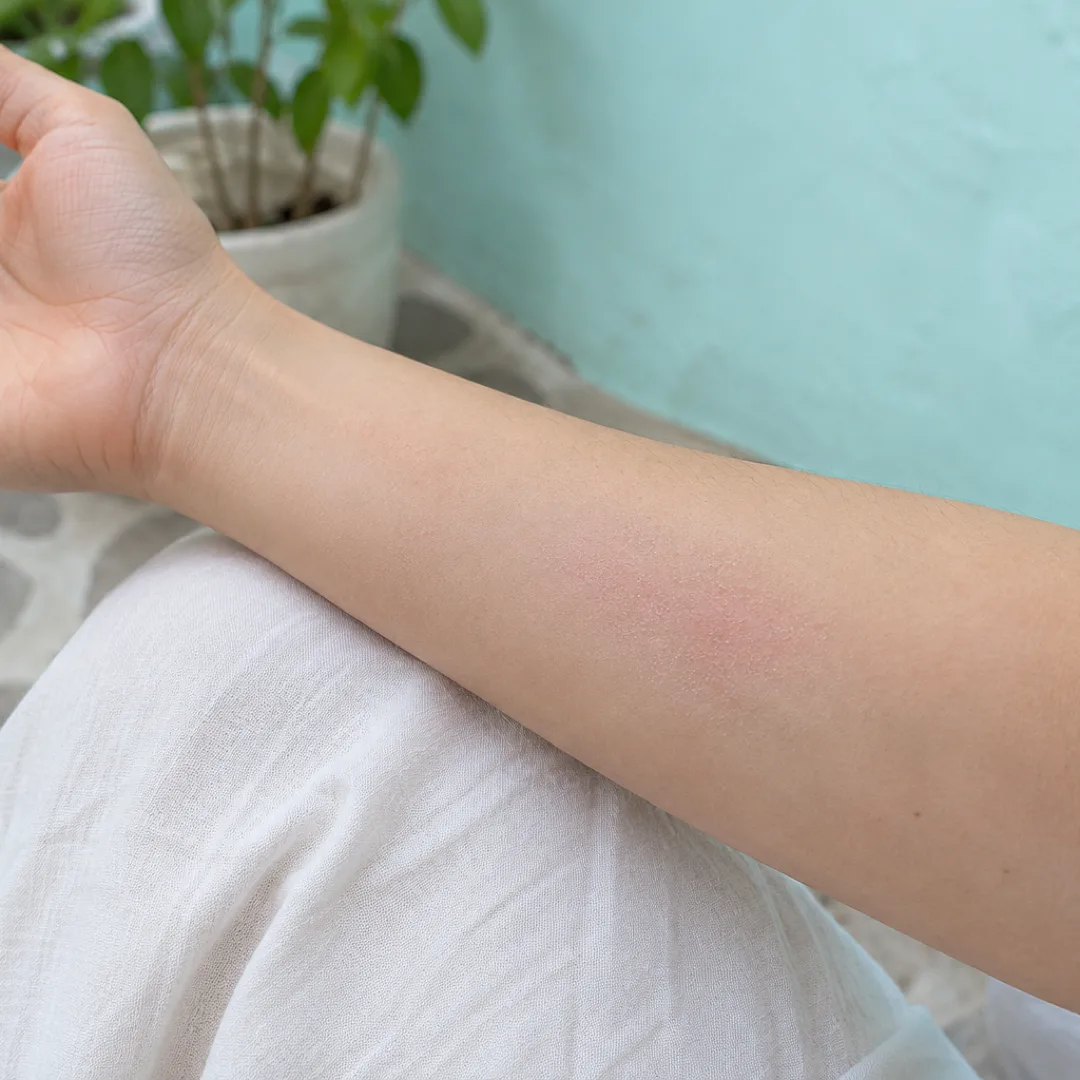
Before changing anything, it helps to know the main categories of skin reactions to products. Cosmetic information from the U.S. Food and Drug Administration describes that cosmetic products can cause reactions in some people, and that reactions differ depending on the person and the product. In general, they fall into a few groups.
Irritant reactions
Irritation happens when something directly bothers the skin's surface, often by disrupting its protective barrier. It tends to show up where the product was applied, and it can happen to almost anyone if the product is too strong, used too often, or layered with other active ingredients. Common signs include stinging or burning, dryness, flaking, tightness, and a pink or red look.
Allergic reactions
An allergic reaction involves the immune system reacting to a specific ingredient. According to the American Academy of Dermatology's general public guidance, allergic contact dermatitis often involves itching and a rash, and it can spread beyond the exact spot where the product touched. It may take a day or two to appear after contact, which is part of why the culprit is hard to spot.
Breakouts and the adjustment period
Some products, especially those meant to speed up skin cell turnover, are commonly said to cause a temporary rough or flaky phase as skin adjusts. Whether that is a normal adjustment or true irritation is not always easy to separate, and opinions vary. A useful rule of thumb: mild, short-lived dryness is different from burning, swelling, or a worsening rash.
Signs that point toward irritation
- Timing: symptoms began soon after a new product or a change in how often you use something.
- Location: the affected area matches where the product goes, such as around the eyes, along the jawline, or across the cheeks.
- Sensation: stinging, burning, or tightness shortly after applying.
- Texture: new flaking, roughness, or small bumps in a previously calm area.
- Improvement when paused: skin looks calmer when the product is left out for a while.
None of these alone proves anything. They are clues, and the next steps are about putting those clues in order.
Step 1: Right now
If your skin is stinging, burning, or visibly red, the first goal is to stop adding fuel. The steps below are about simplifying, not treating.
- Pause the suspected product, and anything new. Set aside whatever you started most recently, along with any strong actives such as exfoliating acids, retinoid-type products, or scrubs. Why: continuing to use something that bothers your skin can keep the barrier stressed and delay calming.
- Strip the routine down to the basics. Many people find that a gentle, fragrance-free cleanser and a plain moisturizer are enough for a short time, plus sunscreen during the day. Why: fewer products means fewer variables, and it gives you a cleaner picture of what your skin is doing.
- Rinse off a product that is actively burning. If something is stinging as you wear it, washing it off with lukewarm water is a common general step. Why: removing the trigger is typically the first thing to try before anything else.
- Write down what you have used. Jot down product names, when you started them, and when symptoms began. Why: memory gets fuzzy quickly, and a written timeline is one of the most useful things you can bring to a professional if you need one.
- Avoid piling on remedies. It is tempting to reach for creams or leftover treatments from the cabinet. If you are thinking about using any medicated product, ask a pharmacist or doctor first, since the right choice depends on what is going on with your skin. Why: layering unknown products on irritated skin can muddy the picture or add new reactions.
If your face is swelling, your lips or eyes are puffy, you have trouble breathing, or the reaction is spreading fast, that is not a wait-and-see situation. Seek urgent medical care.
Related reading: Morning vs Evening Skincare Routine: How to Choose What Fits You
Step 2: Within the week
Once the immediate redness or stinging settles, the detective work begins. The aim is to figure out which product, or which combination, was responsible.
- Give your skin a calm window. Stay with the simplified routine until your skin looks and feels steady again. How long that takes varies by person and by how strong the reaction was. Why: reintroducing products on skin that is still upset can make every item look guilty.
- Reintroduce products one at a time. Bring back a single product, wait, and watch before adding the next. Many people leave several days between additions so that a delayed reaction has time to show. Why: if you add three things at once and your skin flares, you can't tell which one did it.
- Read the ingredient lists. Compare the labels of products that bothered you and look for overlap. Fragrance, certain preservatives, essential oils, and strong exfoliating acids are commonly mentioned as ingredients that bother some people, though none bother everyone. Why: a repeated ingredient across several "problem" products can be a useful lead.
- Consider a small spot test for new products. The American Academy of Dermatology's general guidance describes testing a small amount of a new product on a limited area of skin before wider use, and watching for a reaction over a period of time. Follow the product label and ask a professional if you are unsure how to do this for your skin. Why: it can show a problem on a small patch rather than across your whole face.
- Review how you are using things, not only what. Using too many actives together, using them too often, applying to damp skin, or over-cleansing can all lead to irritation even from products that suit other people. Why: sometimes the product is fine and the pattern of use is the issue.
A note on patch tests and their limits
A home spot test is a helpful habit, but it is not a guarantee. A product can pass a small test and still bother your skin with repeated use, on a different area, or in combination with other products. Likewise, a spot test cannot confirm or rule out a true allergy. If you suspect allergy, a dermatology professional can discuss whether formal testing makes sense.
Step 3: Ongoing habits
After you have a sense of what your skin tolerates, the longer-term task is keeping irritation from coming back.
- Add new products slowly. Introduce one new item at a time, and give it time before judging it. Why: skin often needs time to adjust, and slow changes make cause and effect easier to read.
- Keep a simple routine log. A note on your phone is enough. Record new products, changes in weather, stress, or hormonal shifts if relevant. Why: patterns that seem random often become obvious on paper.
- Protect your skin barrier. Gentle cleansing, moisturizing, and daily sun protection are widely described as basics for keeping skin comfortable. Why: skin with a well-supported barrier generally tolerates products better than skin that is dry or stressed.
- Be wary of "more is better." Strong products, frequent exfoliation, and heavy layering are common sources of trouble. Why: irritation often comes from the total load on the skin, not from any single item.
- Respect your own skin type and history. People with sensitive skin, eczema, rosacea, or a history of allergies may react more easily. That does not mean they can't use skincare, but it does mean extra caution and, often, professional input. Why: skin conditions can change how products behave, and what works for a friend may not work for you.
- Check in with changes. Skin changes with seasons, age, and life events. A product that suited you before may not suit you now. Why: tolerance is not fixed.
Irritation versus a normal adjustment: a rough guide
Mild dryness or slight tightness that settles quickly may simply be an adjustment to something new. Burning, swelling, oozing, blistering, intense itching, or a rash that keeps growing is different. When in doubt, pausing the product is the cautious move, and a professional can help you interpret what you are seeing.
When it is not getting better
Sometimes the steps above don't solve it. That is not a failure on your part; it can simply mean the cause is more complicated than a single product, or that your skin needs more than a routine change.
Consider reaching out to a licensed health professional, such as a dermatology provider or your primary care clinician, if any of these apply:
- Redness, burning, or itching continues even after you have simplified your routine for a while.
- The reaction is spreading, blistering, oozing, or looks infected.
- You have swelling around the face, eyes, or lips, or you have trouble breathing. This calls for urgent medical care.
- Your skin keeps reacting to many different products, and you can't find a pattern.
- You already have a skin condition, such as eczema or rosacea, and a product seems to have made it worse.
- You are pregnant, nursing, or taking prescription medicines and are unsure which skincare ingredients fit your situation.
- The problem is affecting your sleep, comfort, or confidence.
It helps to bring your product list, your timeline notes, and, if possible, the products themselves. A professional can look at your skin, consider whether you are dealing with irritation, allergy, or another skin concern, and decide whether testing or a different approach is appropriate. Decisions about prescription or over-the-counter treatments are theirs to make, so it is best not to self-medicate in the meantime.
Figuring out how to tell if a product is irritating your skin comes down to patience and order: pause what is bothering you, simplify, bring things back one at a time, and ask for professional help when the signs are strong or the pattern stays unclear.
Disclaimer: This article is for informational purposes only and is not a substitute for professional medical advice, diagnosis, or treatment. Please consult a licensed professional for personal health decisions.