What Emollients Do in Moisturizers and Why They Matter
Walk down any skincare aisle and the word "emollient" shows up on tubes, jars, and ingredient lists, often with very little explanation. Moisturizer labels have become more detailed in recent years, and many people now read them closely, especially when their skin feels tight, flaky, or reactive. That curiosity makes sense: the ingredients in a cream shape how it feels, how it spreads, and how comfortable it is to wear.
Here is the short answer. Emollients are ingredients that soften and smooth the skin's surface by filling in tiny gaps between the flaky, dry cells of the outer layer. In a moisturizer, they are largely responsible for that soft, supple, cushioned feel. They are one part of a larger formula, and they work alongside other ingredient types rather than alone. Results vary from person to person, and this article is an informational overview, not personal advice.
Where emollients show up in everyday skincare
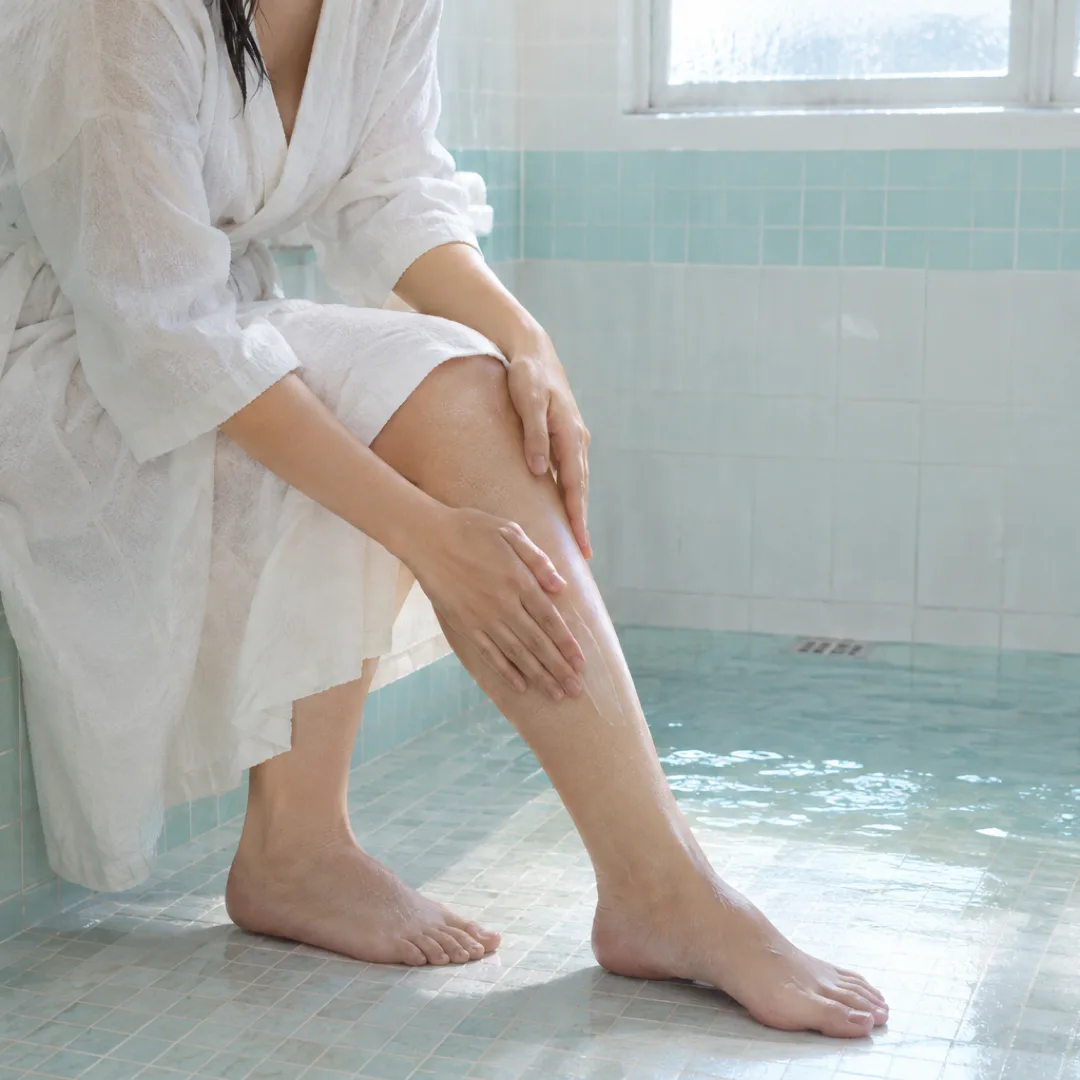
Emollients are not a niche ingredient. They appear in face creams, body lotions, hand creams, lip balms, baby products, and many products marketed for dry or sensitive skin. They also show up in cleansers, shaving products, and even some sunscreens and makeup, where they help the texture feel smooth rather than chalky or stiff.
Two everyday situations show why people start paying attention to them.
Situation one: the dry-winter hands
Picture a person whose hands feel rough and slightly cracked every cold season. Indoor heating, frequent handwashing, and cold air all tend to leave skin feeling dry. They pick up a light, watery lotion, and it feels pleasant for a few minutes, then the roughness returns. A thicker hand cream with a richer emollient base feels more comforting and leaves the surface smoother for longer. This is a hypothetical example, but it reflects a common pattern: the same product category can feel very different depending on its emollient content.
Situation two: the combination-skin face
Now picture someone with an oily T-zone and dry cheeks who is wary of anything heavy. They have heard that rich creams can feel greasy, so they avoid moisturizer altogether, then notice their cheeks feel tight. Here the question is not whether emollients are "good" or "bad" but which kind, and how much. Lightweight emollients can give a smooth finish without a heavy film, while richer ones may suit drier areas better.
Related reading: How to Choose Clothing Fabrics That Are Gentle on Skin
The core idea: what emollients actually do
The outermost layer of skin is often described as a wall of cells held together by natural fats. When that surface is dry or disrupted, the cells can curl at the edges, leaving skin looking rough and feeling scratchy. According to general guidance from the American Academy of Dermatology, moisturizers are commonly used to help dry skin feel more comfortable, and emollients are a typical component of that role.
In simple terms, emollients do a few things:
- Smooth the surface: they fill in spaces between rough, dry skin cells so the skin feels softer and looks less flaky.
- Improve texture and slip: they help a product glide on easily rather than drag or pill.
- Support the skin's barrier feel: by adding lipid-like or oily components, they can make the skin feel more cushioned and protected.
- Contribute to how a product feels on the skin: light, silky, rich, or buttery sensations often come from the emollients chosen.
It is worth being careful with wording here. Emollients are cosmetic ingredients that affect how skin feels and looks. They are not a treatment for any skin condition, and a moisturizer cannot promise a specific outcome.
Common types of emollients you may see on labels
Emollients come from many sources, and ingredient names can look intimidating. Broad families include plant oils and butters, fatty alcohols, fatty acids, esters, silicones, and mineral-based ingredients. Some commonly seen examples are shea butter, jojoba oil, squalane, cetyl alcohol, stearic acid, caprylic/capric triglyceride, and dimethicone.
Each has a different feel. Squalane and certain esters tend to feel light and fast-absorbing. Shea butter and heavier plant butters feel richer and more cushioning. Fatty alcohols like cetyl alcohol, despite the word "alcohol," are generally waxy, softening ingredients rather than the drying type many people worry about. Ingredient lists alone cannot tell you how a finished product will feel, since the overall formula matters.
Emollients, humectants, and occlusives: how they differ
Most moisturizers blend several ingredient types, and the terms are often confused.
- Emollients soften and smooth the skin's surface.
- Humectants, such as glycerin and hyaluronic acid, attract water and are often used to help skin feel hydrated.
- Occlusives, such as petrolatum or certain waxes, sit on top of the skin to slow water loss.
The categories overlap. Some ingredients act in more than one way, and a rich cream may behave as an emollient and an occlusive at once. That is why a label that lists a humectant, an emollient, and an occlusive together often feels more complete than a product built around only one.
How the picture changes by skin type and situation
There is no single ideal emollient level. What feels comfortable depends on your skin, your climate, the time of year, and which area of the body you are thinking about.
- Dry skin: many people with dry skin prefer richer creams and ointment-style textures, which contain more emollient and occlusive content.
- Oily skin: lighter gels, lotions, or fluids with low-weight emollients are often more comfortable. Heavy textures can feel greasy to some.
- Combination skin: some people use different textures on different areas or at different times of day.
- Sensitive skin: simpler formulas with fewer added fragrances and botanical extras are often preferred, though reactions vary between individuals.
- Body versus face: body skin often tolerates thicker textures, while facial skin can be more reactive to certain oils and heavier products.
- Season and climate: cold, dry air often calls for richer textures, while humid weather often makes lighter ones more comfortable.
Things worth keeping in mind about irritation
Natural does not automatically mean gentle. Some plant oils and butters can irritate certain people, and fragrance, essential oils, and some preservatives are common triggers of reactions in skincare more broadly. The U.S. Food and Drug Administration notes that cosmetics are not subject to premarket approval in the same way as drugs, which is one reason reading labels and paying attention to your own reactions matters.
Some people who are prone to breakouts find that certain rich oils or heavy products feel clogging, while others do fine with them. This is highly individual, and a label claim like "non-comedogenic" is not a guarantee for every person. If a product stings, burns, or causes redness or itching, stopping it and asking a pharmacist or dermatology professional is a sensible next step.
Common misunderstandings about emollients
"Emollients add water to the skin"
Not quite. Emollients mainly soften and smooth. Water-binding is more the job of humectants, and slowing water loss is more the job of occlusives. A good moisturizer often combines all three, which is why a single ingredient rarely tells the full story.
"Heavier always means better"
A thick cream is not automatically a better one. A texture that feels wonderful on dry elbows may feel heavy or uncomfortable on a face that tends toward oiliness. Comfort, fit with the rest of your routine, and how your skin responds over time matter more than richness alone.
"Oils and fatty alcohols are always bad for skin"
Ingredient fear can run high online. Fatty alcohols in moisturizers are generally different from the drying alcohols found in some toners, and many oils are widely used in cosmetics. That said, individual reactions differ, and no ingredient is right for everyone. It is more useful to notice how your own skin behaves than to rely on blanket rules.
"A moisturizer can fix any skin problem"
Moisturizers are cosmetic products meant to help skin feel more comfortable. Persistent dryness, scaling, intense itching, or patches that do not settle may point to something that deserves professional attention. According to the American Academy of Dermatology, ongoing skin symptoms are worth discussing with a board-certified dermatologist or another qualified clinician, rather than trying to manage them with product changes alone.
Related reading: How to Care for Skin Under a Face Mask
Reading a moisturizer label with emollients in mind
Ingredient lists are generally ordered from the highest concentration to the lowest, though the exact amounts are not shown. Water is often first. After that, you may spot a mix of emollients, humectants, and thickeners. A few practical reading habits can help:
- Look for the overall balance of ingredient types rather than hunting for one "hero" ingredient.
- Notice whether fragrance or essential oils are listed if you have reacted to scented products in the past.
- Pay attention to texture words such as gel, lotion, cream, or ointment, which usually hint at richness.
- Consider patch testing a new product in a small area first, a general precaution often mentioned in skincare guidance.
For specific products used on medical skin conditions, including prescription or medicated creams, how they are used is decided by a prescriber or pharmacist, and the product's own directions should be followed.
Wrapping up
Emollients are the softening, smoothing backbone of most moisturizers. They help skin feel supple, shape how a cream spreads and feels, and work best alongside humectants and occlusives rather than in place of them. What suits one person may not suit another, so skin type, season, and personal sensitivity all play a role.
- Emollients smooth and soften the skin's surface and influence a product's texture.
- They are different from humectants and occlusives, and most moisturizers combine all three.
- The right richness depends on your skin, climate, and comfort, and reactions vary.
It is a good idea to speak with a pharmacist, dermatologist, or other qualified professional if your skin is persistently dry, cracked, very itchy, inflamed, or painful, if a product causes burning or a rash, or if you are caring for a baby or someone with a known skin condition such as eczema. They can look at your situation directly, which an ingredient guide cannot do.
Frequently asked questions
Are emollients the same as moisturizers?
No, emollients are one ingredient type inside many moisturizers. A moisturizer usually combines emollients with humectants and often occlusives, so each part covers a different job. If a product feels soft but your skin still feels tight, it may be worth checking whether it contains all three types.
Can emollients feel too heavy on oily skin?
They can, if the formula is rich. People with oily or combination skin often find lighter textures like gels, fluids, or lotions more comfortable, while richer creams may suit drier areas. Because reactions differ, noticing how your own skin feels over several days is more useful than relying on a label claim.
Is a fatty alcohol like cetyl alcohol drying?
Generally no, because fatty alcohols are waxy, softening ingredients rather than the drying type found in some toners. They are commonly used to give creams body and a smooth feel. If you suspect a specific ingredient is bothering your skin, a pharmacist or dermatology professional can help you sort it out.
When should dry skin be checked by a professional instead of just changing moisturizers?
If dryness comes with persistent scaling, cracking, strong itching, redness, or discomfort that does not settle, a professional check is worthwhile. Moisturizers are cosmetic products meant to help skin feel more comfortable and are not a replacement for evaluation of ongoing symptoms. A qualified clinician can look at the full picture and discuss next steps.
Disclaimer: This article is for informational purposes only and is not a substitute for professional medical advice, diagnosis, or treatment. Please consult a licensed professional for personal health decisions.