How to Care for Skin Under a Face Mask
Caring for skin under a face mask mostly comes down to three habits: keeping the area clean, supporting the skin barrier with gentle moisture, and cutting back on friction and harsh products. Anyone who wears a mask for work, travel, health reasons, or sport has probably noticed the same things: a damp, warm feeling, red marks across the nose and cheeks, stubborn breakouts around the chin, or dry patches that seem to appear from nowhere. The trouble is that the mask itself creates a small, humid environment, rubs against the skin for hours, and traps oils, sweat, and breath. Fixing it is rarely about one miracle product. The solution works best when the steps come in the right order, so this guide moves from what to look at first, to what to adjust this week, to what to keep up over time.
Understanding what is actually happening to your skin
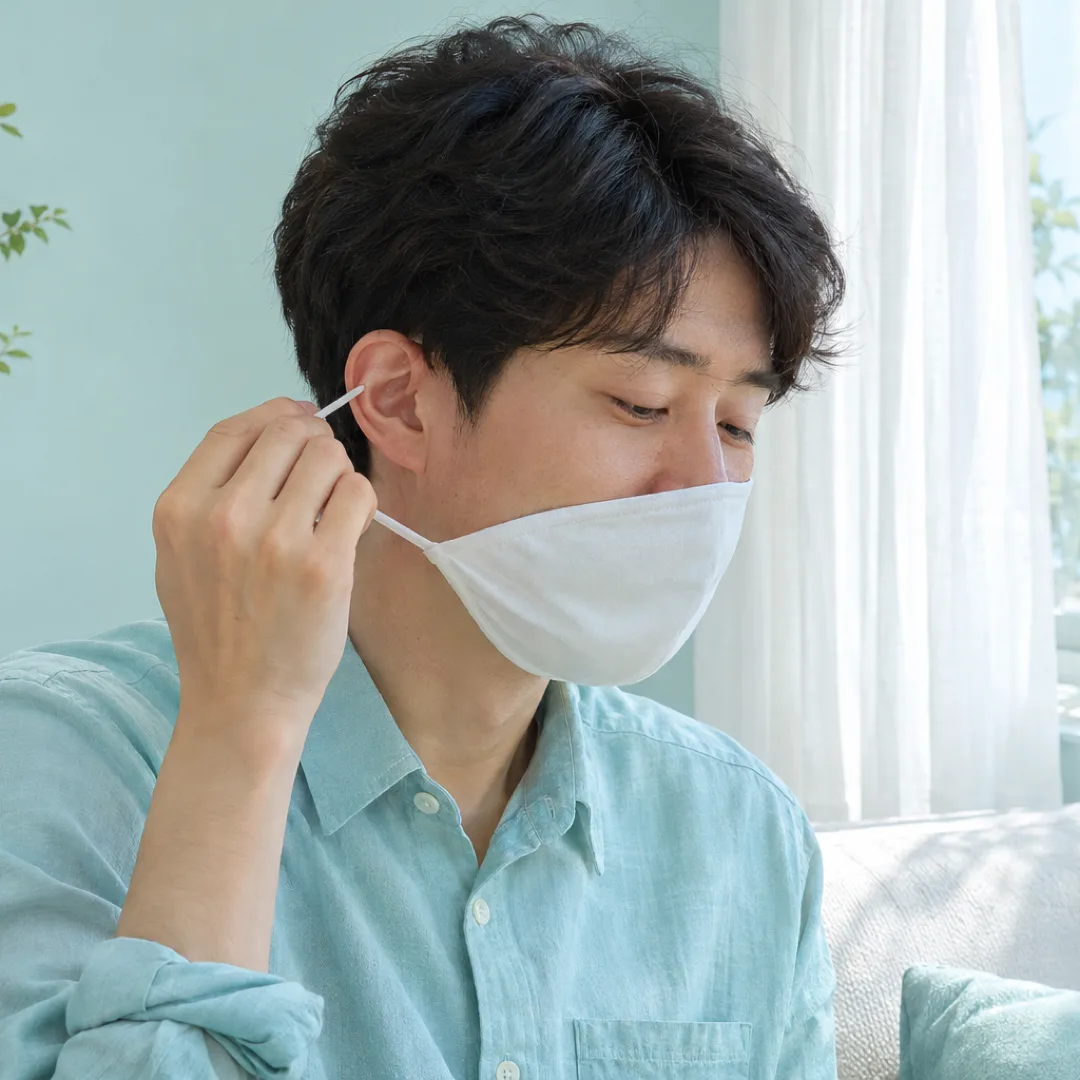
Before changing a routine, it helps to name the problem. Skin under a mask tends to react in a few common ways, and each one points toward a different adjustment.
Friction and pressure
Straps, edges, and nose wires press and rub against the same spots day after day. This can show up as redness, rough patches, or small sore areas near the ears, the bridge of the nose, and the cheekbones. Skin that is already dry or sensitive often reacts sooner.
Trapped heat, sweat, and oil
A mask holds warmth and moisture against the face. Many people notice more clogged pores or small bumps along the chin and jawline when sweat and oil sit under fabric for long stretches. Makeup and heavy skincare layers can add to that buildup.
Dryness and a stressed skin barrier
It may seem odd, but a humid mask can still leave skin dry. Rubbing, frequent washing, and strong products can wear down the outer layer of the skin, which is often called the skin barrier. When it is stressed, skin may feel tight, flaky, stinging, or easily irritated.
Reactions to the mask material
Some people react to fabrics, elastic, dyes, or laundry detergent residue left on a reusable mask. This may look like itchy redness that matches the shape of the mask. The American Academy of Dermatology has published general guidance on skin problems linked to mask wearing, and it describes friction, moisture, and irritation as common themes. Individual reactions vary, and a persistent rash is worth having looked at.
Jot down where your skin is bothered and what it feels like. Redness along the edges suggests friction. Bumps under the whole mask suggest buildup. Itchy, patterned redness suggests a possible material reaction. This simple map makes the next steps much easier to choose.
Step 1: What to do right now
These are low-effort changes that most people can make today without buying anything new.
- Simplify what goes under the mask. Pause strong exfoliating products, harsh scrubs, and anything that stings. The reason is simple: skin that is already rubbed and warm tends to tolerate less, so fewer active ingredients means fewer chances to irritate it.
- Cleanse gently, not aggressively. Choose a mild, fragrance-free cleanser and use lukewarm water rather than hot. Pat the face dry with a clean towel instead of rubbing. Over-washing can strip the skin and leave it more reactive, which may make mask discomfort worse.
- Check the fit and the fabric. A mask that is too tight rubs more, while one that is too loose slides around and rubs differently. Soft, breathable fabrics are often more comfortable for sensitive skin. Wash reusable masks regularly and rinse them well so detergent does not stay in the fibers.
- Take mask breaks when it is appropriate. Where it is safe and allowed, a few minutes in fresh air can give skin a rest from heat and pressure. Follow the rules of your workplace or health setting, because some situations require a mask to stay on.
- Avoid picking or squeezing bumps. Picking can inflame the area and may lead to marks. If a blemish is painful or worsening, that is a question for a professional rather than something to handle by pressing at it.
The point of this first stage is to calm things down. Skin often responds best when it is given less to deal with, not more.
Step 2: What to adjust this week
Once the skin is a bit calmer, you can fine-tune the routine around your mask schedule. This is where small, thoughtful tweaks pay off.
- Build a simple morning and evening routine. A basic pattern is cleanser, a lightweight moisturizer, and daytime sun protection on exposed areas. The reason this works for many people is that moisturizers are commonly used to support the skin barrier, while a mask-covered face still needs gentle care. Texture matters: lighter lotions or gels may feel better for oily or breakout-prone skin, while richer creams may suit dry skin.
- Be thoughtful with makeup. Heavy foundation under a mask can transfer, clog, and feel stuffy. Many people choose to wear less base makeup on mask days, or they use lighter formulas. If you do wear makeup, removing it fully at night helps keep pores from staying coated.
- Think about barrier-friendly textures. Ingredients such as glycerin, ceramides, and petrolatum-type occlusives are often found in products aimed at dry or irritated skin. Whether they suit you depends on your skin type and any known sensitivities, so patch-testing a new product on a small area first is a common precaution.
- Protect friction spots. Some people place soft padding or choose mask styles that spread pressure more evenly across the face and behind the head instead of only the ears. The reason is to reduce the rubbing that leads to sore, red areas.
- Keep a few spare masks. Rotating clean masks means you are not putting a damp, used one back on your face. Fresh fabric tends to feel better and may reduce buildup.
Related reading: How to Build an Evening Routine in Five Minutes
If you use medicated or prescription skincare, such as products for acne or other skin conditions, ask a pharmacist or doctor how those products may interact with mask wear and friction. Some actives can make skin more sensitive, and the right approach depends on the product and the person.
Step 3: Habits to keep up over time
After the first couple of weeks, the goal shifts from rescue to maintenance. Steady, unglamorous habits usually matter more than any single product.
- Stay consistent with gentle cleansing and moisture. Skin tends to settle when it is treated predictably. Switching products constantly can make it hard to tell what is helping and what is causing trouble.
- Reintroduce actives slowly. If you paused exfoliating acids or retinoid-type products, bring them back one at a time and watch how your skin responds under a mask. The reason for going slowly is that mask wear adds friction and heat, which may change how well your skin tolerates them. For personal guidance on what to use and how often, check the product label and talk with a pharmacist or doctor.
- Keep masks and hands clean. Touching the face with unwashed hands and wearing dirty masks can add to irritation and buildup. Clean masks and clean hands are a simple, low-cost habit.
- Look after the rest of your wellbeing. Hydration, regular sleep, and managing stress are often mentioned in general skin health advice. They will not replace a skincare routine, but they are part of the bigger picture, and individual effects vary.
- Revisit the routine when conditions change. Hot weather, exercise, dry indoor air, or switching to a different mask can all change how skin behaves. Adjusting textures and habits with the season is normal.
Related reading: Signs Your Skin Barrier Is Damaged and What to Do
Different skin types, different needs
Oily or breakout-prone skin often prefers lightweight, non-greasy textures and thorough but gentle cleansing. Dry skin usually benefits from richer moisturizers and fewer harsh cleansers. Sensitive skin tends to do best with short ingredient lists and fragrance-free products. Combination skin may need different textures on different areas. None of this is a rule, and you may need some trial and error, ideally changing one thing at a time.
When it is not getting better
Home adjustments help many people, but they do not fit every situation. Skin that stays irritated despite a simplified routine deserves a closer look from a qualified professional, such as a dermatologist or another licensed clinician. The aim here is not to diagnose you, because that is outside what an article can do, but to help you recognize when to ask for help.
Consider reaching out to a professional if you notice any of the following:
- Redness, itching, or rash that continues or spreads even after you have eased up on products and changed masks.
- Painful, swollen, or pus-filled bumps, or sores that seem to be getting worse or are slow to heal.
- Skin that burns, blisters, or cracks, or that bleeds easily.
- Signs that may suggest an allergic reaction, such as swelling or a quickly spreading rash. Sudden swelling of the face or trouble breathing needs urgent medical attention.
- Persistent breakouts that are affecting your confidence or daily life, or that do not respond to gentle care.
- A known skin condition, such as eczema, rosacea, or acne, that seems to flare under a mask.
It can help to bring a list of the products you use, the type of mask you wear, and how long you wear it each day. A professional can then talk through options that fit your skin and circumstances. Any medicated product or treatment is something to discuss with a pharmacist or doctor, who can explain how it should be used and what to watch for. Responses differ from person to person, so patience and professional input are worthwhile when the basics are not enough.
To sum up how to care for skin under a face mask: keep things gentle, protect the barrier, reduce friction, and speak with a qualified professional when irritation does not settle.
Frequently asked questions
Can wearing a mask make my skin break out more?
If your skin is prone to clogged pores, the warmth, sweat, and trapped oil under a mask may contribute to bumps along the chin and jawline. Heavy makeup and thick products can add to the buildup, so lighter textures and thorough, gentle cleansing are commonly suggested. Breakouts that are painful or persistent are worth raising with a professional.
Should I wear makeup under a mask?
If your skin feels congested or irritated under a mask, wearing less base makeup or choosing lighter formulas may feel more comfortable. Makeup can transfer onto fabric and sit against the skin for hours, so removing it fully at night is a common habit. Preferences and skin reactions vary, so it comes down to what your skin tolerates.
How do I know if my reaction is from the mask material?
If the redness or itching closely follows the shape of the mask edges or straps, the fabric, elastic, or leftover detergent may be a factor. Trying a different soft, breathable mask and rinsing reusable ones well can help you see whether the pattern changes. If the reaction continues or looks more serious, a professional can help work out the cause.
Disclaimer: This article is for informational purposes only and is not a substitute for professional medical advice, diagnosis, or treatment. Please consult a licensed professional for personal health decisions.