What Allantoin Does in Skincare, and What It Doesn't
Many people assume allantoin is an active ingredient that actively repairs or "heals" skin, but what allantoin does in skincare is usually much quieter than that. It is generally used as a soothing, skin-conditioning ingredient that supports a comfortable feel, and the real work of a formula often comes from the rest of the recipe. Because the label name sounds scientific, it is easy to read more into it than the evidence supports, so this article separates the common myths from what is more commonly understood.
Allantoin shows up in moisturizers, lip balms, cleansers, after-shave products, sunscreens, and baby-care items. It rarely gets the spotlight, yet it appears on a lot of ingredient lists. Knowing its modest role can help you judge a product more realistically, whether your skin is dry, sensitive, or just easily bothered by new products.
The common misconception: allantoin as a powerful repair ingredient

A popular belief is that allantoin works like a treatment, speeding up skin repair or fixing damaged skin on its own. Product marketing sometimes encourages this idea with words like "regenerating" or "healing." In reality, cosmetic ingredients are generally positioned to affect how skin looks and feels, not to treat medical conditions.
Another myth is that a longer list of "soothing" ingredients means a product will calm any irritation. Allantoin is one small piece of a formula. Whether a product feels calming depends on the whole combination: the base, the humectants, the emollients, the fragrance, the preservatives, and how your own skin responds.
Myth: it is a medication in disguise
Allantoin does have a place in some over-the-counter products, and the U.S. Food and Drug Administration recognizes it in certain skin protectant contexts. That is different from saying it treats a skin disease. A skin protectant product is generally meant to help shield the surface, and the details of how any given product is regulated depend on its labeling and intended use. If you are dealing with a persistent rash, eczema, or any condition that bothers you, a qualified clinician is the right person to ask.
Myth: more allantoin always means better results
It is tempting to think a higher concentration will do more. Formulas generally use allantoin in small amounts, and a larger amount does not automatically translate into a bigger benefit. Texture, stability, and how skin tolerates the product all matter, which is one reason formulators rarely push a single ingredient to an extreme.
What allantoin actually does in a formula
In practical terms, allantoin is usually described as a skin-conditioning and soothing agent. Its role tends to fall into a few overlapping categories, and the effects are generally subtle and cosmetic.
- Skin conditioning: It is often included to help skin feel smoother and softer to the touch, especially in moisturizers and balms.
- A soothing feel: Many people find products with allantoin comfortable on skin that feels tight or easily bothered, though individual reactions differ.
- Support for a protective surface: In protectant-style products, it is one of several ingredients that contribute to a barrier-like feel on the skin.
- Formula-friendly behavior: It is generally considered a gentle, widely used ingredient that blends into many product types, which is part of why it is so common.
The role of "keratolytic" talk
You may see allantoin described as helping skin shed dead surface cells or softening rough areas. This idea comes up often in ingredient discussions. It is generally described as mild and not comparable to stronger exfoliating acids, and how noticeable any such effect is can depend on the product and the person. If smoothing rough patches is your goal, it helps to treat allantoin as a supporting ingredient rather than the main driver.
Where it fits in a routine
Because it is a supporting ingredient, allantoin tends to appear in simple, comfort-focused products: everyday lotions, lip care, post-shave soothers, and gentle cleansers. It is not an ingredient people usually build a routine around. Instead, it quietly contributes to products meant to feel mild and easy to use.
Related reading: How to Build an Evening Routine in Five Minutes
The real factors behind how a product feels on your skin
When a moisturizer feels soothing or irritating, it is tempting to credit or blame one ingredient. Usually the experience comes from several factors working together. Understanding them helps you avoid pinning a reaction on allantoin when something else may be responsible.
The rest of the ingredient list
Fragrance, essential oils, certain preservatives, and some botanical extracts are commonly discussed as potential triggers for people with reactive skin. A product containing allantoin can still cause discomfort because of one of these companions. Reading the full list, rather than focusing on one name, gives a more accurate picture.
Your skin barrier and current condition
Skin that is already dry, sunburned, over-exfoliated, or irritated tends to react more to anything applied. In that situation, even a mild product may sting. How your skin feels on a given day is often as important as what is in the bottle.
Product type and texture
A rich balm, a watery lotion, and a foaming cleanser deliver the same ingredient very differently. A leave-on product stays on the skin longer than a rinse-off one, so the same ingredient can feel different depending on the format. Climate and season play a part too, since a formula that feels perfect in humid weather may feel thin in dry winter air.
Individual sensitivity
Reactions to cosmetic ingredients vary from person to person. Allantoin is generally regarded as well tolerated, but that does not mean no one reacts to it. Anyone can develop sensitivity to nearly any ingredient, and a past history of allergies or contact reactions is worth mentioning to a professional.
How to tell whether allantoin or something else is the issue
If a product bothers you, figuring out the cause can feel like detective work. A few general approaches are commonly suggested, and none of them replace professional advice if your reaction is strong.
- Compare ingredient lists. If several products that agree with you contain allantoin, the ingredient is less likely to be the culprit. Look for what the problem product has that the others lack.
- Introduce one new product at a time. Adding several products at once makes it nearly impossible to know which one caused a change.
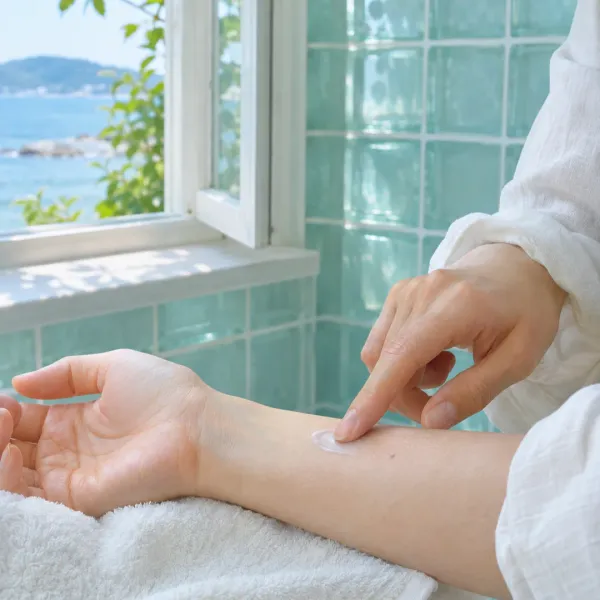
- Consider patch testing. The American Academy of Dermatology generally suggests testing a new product on a small area before wider use. Ask your clinician or the product's own guidance for how to do this properly.
- Note the timing and pattern. Immediate stinging, delayed redness, and general dryness can point to different causes. Keeping simple notes can help if you later talk with a professional.
- Look at the whole picture. Recent exfoliation, weather changes, new medications, or stress can all affect how skin behaves.
Related reading: How Long Should You Try a New Product Before Judging It?
Signs it is time to get professional input
Swelling, blistering, a spreading rash, intense itching, or discomfort that does not settle after you stop a product are reasons to seek care from a qualified professional. The same goes for skin problems that keep coming back or seem unrelated to anything new you tried. A dermatologist or other licensed clinician can look at your skin directly, which no article can do.
Who may want extra caution
Allantoin is widely used and generally considered mild, but certain situations call for a more careful approach. People with very reactive skin, a history of contact allergies, or a diagnosed skin condition may want to check with a professional before adding new products. Parents choosing products for babies and young children may also want to ask a pediatric clinician or pharmacist, since young skin can behave differently.
If a product is labeled as an over-the-counter skin protectant, the packaging describes its intended use, and a pharmacist can help explain how it fits with anything else you use. For specific directions, always rely on the product label and professional guidance rather than general articles.
Reading labels without getting swept up by marketing
Ingredient names can sound impressive, and brands know it. A few habits make labels easier to read. Ingredients are generally listed in order of amount, so something near the end is present in a smaller quantity. Claims on the front of a package tend to be broader than what the ingredient list can back up. And a single familiar ingredient rarely defines how a product performs.
When you see allantoin on a label, it is reasonable to read it as a sign of a comfort-oriented formula, not a promise of dramatic change. Results over time depend on consistent, gentle care, sun protection, and your skin's own tendencies. Realistic expectations tend to make for happier skincare shopping.
Frequently asked questions
Is allantoin the same as an exfoliating acid?
No, allantoin is generally described as a mild conditioning ingredient rather than a strong exfoliant like the acids used in peels. If you want noticeable smoothing from exfoliation, those products work differently and carry their own irritation considerations. For anything beyond a gentle effect, a professional can help you choose what suits your skin.
Can allantoin cause irritation?
If your skin is reactive, any ingredient can potentially bother it, and allantoin is no exception even though it is generally well tolerated. The other ingredients in the product, such as fragrance or preservatives, are often the more likely trigger, so comparing ingredient lists is a useful first step. If a reaction is strong or lingers, a licensed professional is the right person to ask.
Does allantoin heal damaged skin?
If you are hoping for repair of a wound, rash, or skin condition, allantoin on its own is not positioned as a treatment. It is generally used for a soothing, protective feel, and anything that looks infected or is not improving needs a clinician's attention. Cosmetic products are meant to support how skin looks and feels, not to treat disease.
Is allantoin suitable for sensitive or baby skin?
If your skin is sensitive, allantoin is common in products designed to feel gentle, but suitability depends on the full formula and on your own reactions. For babies and young children, a pediatric clinician or pharmacist can advise on which products fit. Testing a new product on a small area first is a commonly suggested precaution.
Disclaimer: This article is for informational purposes only and is not a substitute for professional medical advice, diagnosis, or treatment. Please consult a licensed professional for personal health decisions.