How Water Temperature Affects Your Skin
How water temperature affects your skin refers to the way hot, warm, and cool water change the outer layer's oils, moisture, and blood flow while you wash. Hotter water tends to strip more of the skin's natural oils and can leave skin feeling tight or irritated, while cooler water is generally gentler on the barrier but less effective at lifting oil and product. This article explains what happens at each temperature, when it matters most, how it differs from similar ideas, and what to weigh when choosing how you wash.
What Water Temperature Actually Does to Skin
Your skin's outermost layer, called the stratum corneum (the thin, tough surface layer made of flattened cells), works like a protective wall. Between those cells sit natural fats, often called lipids, that help hold in moisture and keep irritants out. Water temperature influences how much of that fatty "mortar" gets dissolved and rinsed away during a wash.
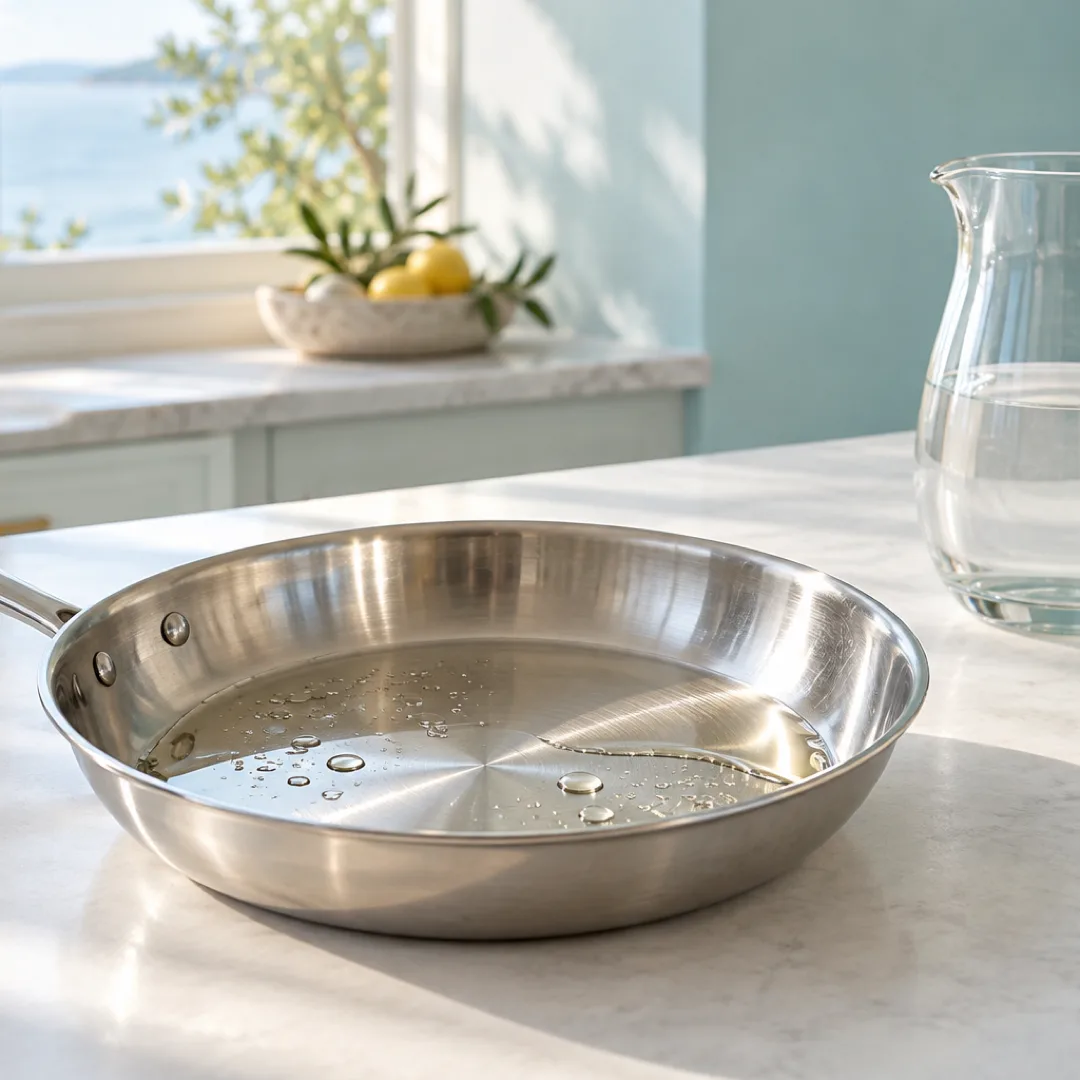
Think of it like washing a greasy pan. Cool water barely moves the grease, lukewarm water loosens some of it, and very hot water melts it right off. Skin is far more delicate than a pan, though, and the oils you rinse away with hot water are the same ones that help your skin stay comfortable between washes.
Hot water and the skin barrier
Hot water generally removes more surface oil than cooler water, and it can leave skin feeling dry, tight, or itchy afterward. The American Academy of Dermatology has noted in its general skin care guidance that very hot showers and baths can contribute to dryness, particularly for people who already have dry or sensitive skin. Reactions vary from person to person, so some people notice this quickly and others barely at all.
Heat also widens the small blood vessels near the surface, which is why skin often looks flushed or red after a hot shower. For many people this passes soon after. For people prone to facial redness, visible blood vessels, or conditions such as rosacea, heat can be a common trigger that is worth discussing with a clinician.
Lukewarm water as a middle ground
Lukewarm water is the temperature most general skin care guidance leans toward. It is warm enough to feel comfortable and to help cleansers rinse off, yet usually less likely to strip oils than very hot water. "Lukewarm" is a feel rather than a fixed number, so a good rough test is that the water should not feel hot or sting against your skin.
Cool and cold water
Cool water is gentler on the barrier because it does not dissolve oils as readily. Many people like a cool rinse because it feels refreshing and can make skin look less flushed for a while. Cold water does not shrink pores in any lasting way, however; pore size is largely determined by genetics, oil production, and age, so a cold splash may temporarily make skin feel tighter without changing pores themselves.
Situations Where Temperature Matters Most
For many people with resilient, balanced skin, small differences in water temperature are barely noticeable. The effect tends to show up more in certain circumstances, and it helps to know which ones apply to you.
Face versus body
Facial skin is generally thinner and more reactive than the skin on much of the body. A temperature that feels fine on your shoulders may feel harsh on your cheeks and around your eyes. Many people find that washing the face with lukewarm or cool water, even when showering warm, feels more comfortable.
Dry, sensitive, or eczema-prone skin
People with dry skin, sensitive skin, or eczema (a group of conditions that cause itchy, inflamed skin) often find that heat makes itching and tightness worse. The National Eczema Association and the American Academy of Dermatology both describe lukewarm bathing as a common part of skin-friendly habits for people managing eczema. How to bathe with a diagnosed skin condition is a decision for your own clinician, since needs differ between individuals.
Oily and acne-prone skin
It is tempting to assume that hot water "deep cleans" oily skin. In practice, stripping the surface can leave skin irritated, and some people find their skin feels more reactive afterward. Gentle cleansing with lukewarm water is a widely used approach, though acne has many causes and a clinician can help if breakouts are persistent or painful.
Long showers, cold weather, and dry air
Duration matters alongside temperature. A long, hot shower exposes skin to more time with water and heat, which can add up to more dryness. Winter air and indoor heating already pull moisture from the skin, so the combination can make dry patches more noticeable. winter skin care routine for dry skin
Shaving, exfoliating, and active ingredients
Skin that has just been shaved, exfoliated, or treated with certain active ingredients can be more sensitive than usual. Hot water on top of that may sting or cause redness for some people. If you use prescription or over-the-counter skin products, ask a pharmacist or clinician how bathing habits fit with them, and follow the product label.
Commonly Confused Ideas About Water and Skin
Several beliefs about water and skin get repeated so often that they blur together. Separating them helps you make clearer choices.
Temperature versus hydration
Water temperature and skin hydration are related but not the same thing. Hydration refers to how much water the skin holds, while temperature affects how many protective oils get washed away. Long contact with water of any temperature can also dry skin out, because the surface can lose moisture as it dries afterward. This is why many people moisturize soon after bathing to help hold in water, a step often mentioned in general skin care guidance.
Cold water and pores
The idea that cold water closes pores is common but misleading. Pores do not have muscles that open and close like doors. A cold rinse may make skin feel firmer or look less red for a short time, but it is not a lasting way to change pore appearance.
Steam and "opening" pores
Warm steam is often described as opening pores, yet the same logic applies: pores are not doors. Steam may soften surface oil and make skin feel pliable, and some people find it relaxing. It does not replace gentle cleansing, and for people with sensitive or reactive skin, steam can be irritating.
Water temperature versus water hardness
Hard water contains higher levels of minerals such as calcium and magnesium. Some people feel that hard water leaves skin dry or leaves a film behind, and it is an area researchers have looked at in connection with skin conditions. Hardness is a separate factor from temperature, so changing the temperature will not necessarily address how your local water feels on your skin. If you suspect water quality plays a role, a clinician can help you think it through.
Warm water versus a burn or scald
Comfortably warm and dangerously hot are very different. Water that is too hot can burn skin, and young children and older adults are at higher risk because their skin can be thinner or less able to sense heat. The U.S. Consumer Product Safety Commission and burn-safety groups have general guidance on water heater settings to help prevent scalds, and a plumber or building manager can help with adjustments.
Why the Temperature of Your Water Is Worth Paying Attention To
Water temperature is one of the few parts of a routine that costs nothing to adjust and can change how skin feels. A small shift can make a difference to dryness, tightness, and flushing for people who are sensitive to it, though results vary and temperature is only one piece of the picture.
Why it adds up over time
One hot shower rarely causes lasting trouble. What tends to matter is the pattern: repeated hot, lengthy washing, often combined with harsh cleansers, can gradually wear on the skin barrier. A barrier that is repeatedly stressed may feel dry, rough, or reactive more often.
How it interacts with the rest of your routine
Water temperature works alongside your cleanser, your moisturizer, and how you dry your skin. Gentle, fragrance-free products are commonly chosen by people with sensitive skin, and patting skin dry rather than rubbing is a widely shared habit. how to choose a gentle cleanser for your skin type Think of temperature as a setting you can tune, not a cure-all.
Signs it may be more than temperature
Sometimes dryness or redness is not really about the water. Consider seeking professional care if you notice:
- Skin that is persistently itchy, cracked, or weeping
- A rash that spreads, blisters, or does not improve with gentler habits
- Facial redness that keeps returning or comes with bumps or burning
- Skin that stings or swells after bathing or after using a new product
- Any sign of infection, such as increasing pain, warmth, swelling, or pus
A dermatologist or other licensed clinician can look at your skin, consider your history, and advise on what fits your situation. Online information cannot diagnose a skin condition.
Limits of what water temperature can do
Adjusting temperature will not change skin type, erase wrinkles, or resolve underlying conditions such as eczema, rosacea, or acne on its own. It is best viewed as a supportive habit, not a treatment. Age, genetics, climate, sleep, sun exposure, and the products you use all play a part too.
What Changes When You Understand This Concept
Knowing how water temperature affects your skin gives you two practical shifts in judgment.
- You can read your skin's feedback instead of guessing. If your skin feels tight, itchy, or flushed after bathing, you can treat temperature and shower length as likely contributors and experiment with a milder setting, while remembering that persistent or worsening symptoms deserve a professional look.
- You can skip myths and spend effort where it counts. Because cold water does not permanently close pores and hot water does not deep clean in any useful way, you can stop chasing those effects and focus on gentle cleansing, moisturizing, and checking in with a clinician when something does not feel right.
Disclaimer: This article is for informational purposes only and is not a substitute for professional medical advice, diagnosis, or treatment. Please consult a licensed professional for personal health decisions.