How to Care for Skin Under a Watch Strap
Knowing how to care for skin under a watch strap starts with working out why the skin is unhappy, because the same red, itchy patch can come from very different causes. Trapped moisture, friction, and a reaction to a material each call for a different fix. Guess wrong and you can spend weeks on a routine that does nothing, or one that makes the irritation worse.
This guide walks through the main causes, how to tell which one fits your wrist, and what generally helps in each case. It also covers the habits that suit nearly everyone and the signs that mean it is time to see a professional.
Sorting out why the skin under your watch is irritated
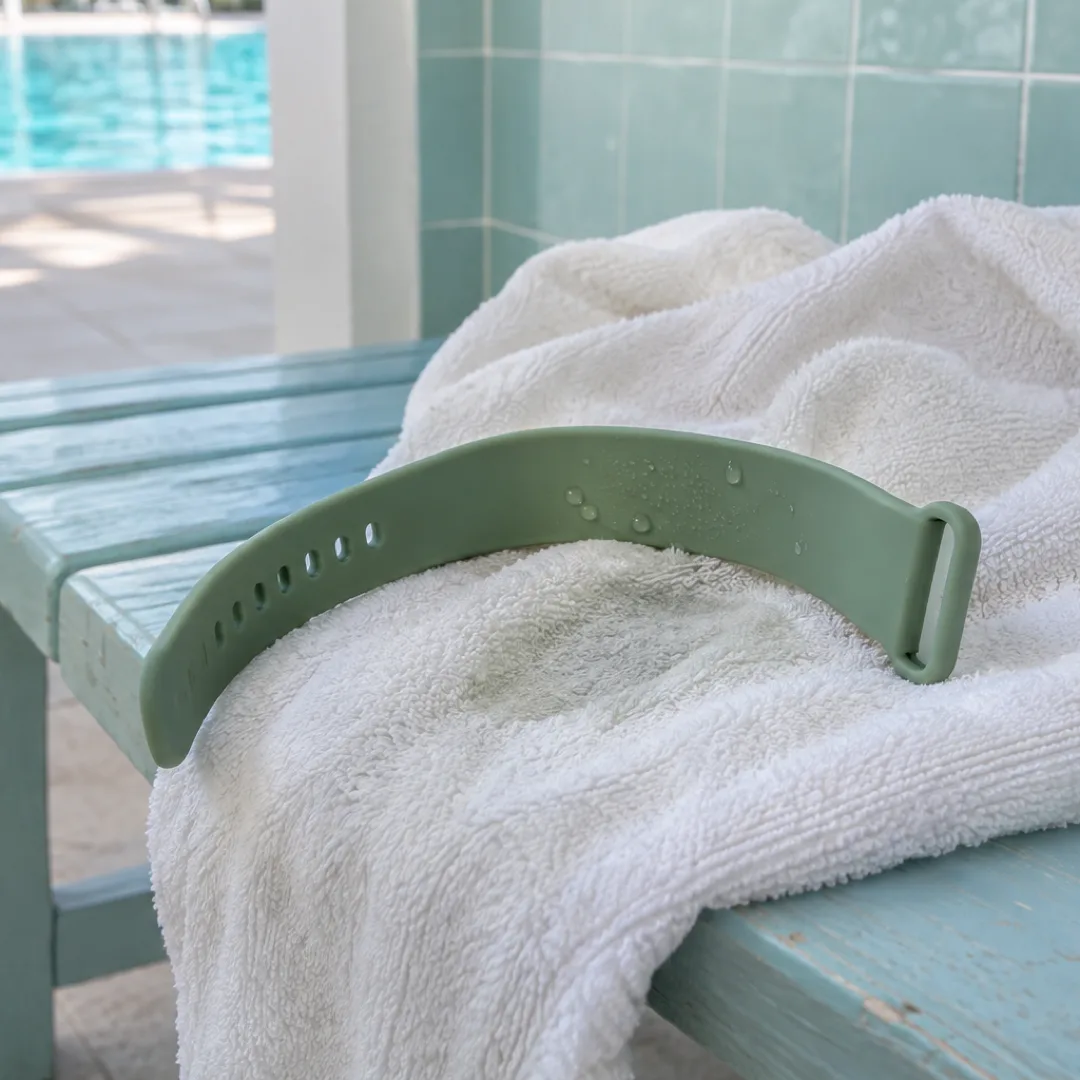
The skin under a strap is covered for many hours, often warm, and sometimes damp. That combination gives irritation several routes to start. In broad terms, most cases fall into two groups: problems caused by moisture and friction, and problems caused by a reaction to something in the strap or watch case.
A third group exists, which is skin that was already dry or sensitive before the watch ever touched it. The strap simply reveals the weakness. Keeping these groups in mind makes the next two sections easier to use.
Quick clues that point to each cause
- Moisture and friction: the skin looks pink or rubbed, may feel sticky or damp when you take the watch off, and often feels worse after sweating, showering, or exercise.
- Material reaction: the rash tends to match the exact shape of the strap, buckle, or case back, and may include small bumps, flaking, or intense itching.
- Underlying dryness: the skin feels tight or rough elsewhere on the wrist and forearm too, not only where the watch sits.
Real wrists often involve more than one of these at once. Treat the list as a starting point rather than a diagnosis.
When the cause is moisture and friction
How to check whether this is your situation
Take the watch off at the end of the day and look at the skin right away. If it is damp, shiny, or has a soft, slightly wrinkled look, moisture is likely part of the picture. If you see a faint line or rubbed band that fades within a few hours, friction may be the main player. The problem usually flares in warm weather, during workouts, or with tight, non-breathable straps such as some rubber or silicone styles.
Another clue is timing. If the skin feels fine on days you wear the watch loosely or for a short stretch, and irritated after long, sweaty days, the cause is probably mechanical rather than allergic.
What generally helps
Sweat and water trapped against the skin can soften it and make it easier to irritate, which is why general skin-care guidance from the American Academy of Dermatology emphasizes keeping skin clean and dry in areas covered by clothing or accessories. Applied to a watch, that usually means a few simple habits:
- Let the wrist breathe by taking the watch off for a while during the day when that is practical.
- Pat the skin and the underside of the strap fully dry after washing hands, showering, or sweating.
- Wear the strap snug enough that the watch does not slide around, but not so tight that it leaves deep marks. Many people find that a small gap, enough to let the strap shift slightly, reduces rubbing.
- Consider moving the watch a little up or down the wrist now and then, so the same patch is not under pressure all day.
- Think about a more breathable strap, such as a fabric, woven, or perforated style, if heat and sweat are the recurring trigger.
A gentle, fragrance-free moisturizer on the wrist when the watch is off is a common comfort habit, though it is best applied to skin that is intact rather than broken or weeping. If you are unsure whether a particular product suits irritated skin, a pharmacist can help you choose.
The cost of guessing wrong
If the real problem is moisture, heavy creams worn under a tight strap can trap even more dampness and make things worse. On the other hand, if you swap straps repeatedly when the cause was friction from a loose fit, you spend money without changing the thing that matters. Looking at fit and dryness first is usually the cheapest test.
When the cause is a reaction to the strap or watch material
How to check whether this is your situation
A reaction to a material, often called contact dermatitis, tends to follow the outline of whatever touches the skin. According to the American Academy of Dermatology, contact dermatitis can be triggered by an irritant or by an allergy to a substance, and the rash commonly appears where the skin met that substance. For a watch, look for a pattern that matches the buckle, the back of the case, or the width of the strap rather than a general reddened wrist.
Clues that lean toward a material reaction include itching that is stronger than you would expect from rubbing, tiny bumps or blisters, dry flaking after the redness settles, and a rash that keeps coming back every time the same watch is worn. It may also appear a day or two after wearing the watch rather than immediately.
Common culprits people discuss
Nickel is widely known as a common cause of metal-related skin reactions, and it can be present in some watch cases, clasps, and buckles. The U.S. National Institutes of Health and other public health sources describe nickel as a frequent contact allergen. Other possibilities include certain leather-tanning agents, dyes, adhesives, and some rubber compounds. Cleaning products or residue left on a strap, such as soap, sunscreen, or lotion, can also irritate sensitive skin.
What generally helps
- Pause wearing the suspected watch for a while and see whether the skin settles. Improvement after a break is a useful clue.
- Try a different strap material, such as fabric or a hypoallergenic-labeled option, and watch whether the pattern changes. Labels vary in meaning, so reactions can still differ from person to person.
- Keep straps clean according to the maker's care instructions, since buildup of sweat and products can add to irritation.
- Put a barrier between skin and a metal case back only if the watch maker or a professional suggests a method suited to your situation.
Because the underlying trigger is hard to confirm at home, a clinician can sometimes arrange patch testing to identify what the skin reacts to. That is a decision for a healthcare professional, not something to guess at.
The cost of guessing wrong
If you treat a true material reaction as simple sweat irritation, you may keep wearing the same strap and wonder why nothing improves. Meanwhile, if you assume an allergy when the cause was friction, you might give up a watch you could have kept wearing with a looser fit. Noticing whether the rash follows the exact shape of the material is the most useful tiebreaker.
When the skin was already dry or sensitive
Some people notice the rough, flaky patch only where the watch sits, but the whole forearm is a little dry. In that case the strap is more of an aggravator than the root cause. Dry skin has a weaker barrier, so even mild rubbing or a trace of soap can sting.
Gentle habits tend to matter most here. Many people lean on lukewarm rather than hot water, mild fragrance-free cleansers, and regular moisturizing of the whole wrist and forearm. MedlinePlus general guidance on dry skin similarly points to avoiding long hot showers and harsh soaps. If the dryness is persistent, or the skin is cracked, a clinician can look at whether another skin condition such as eczema is involved.
Habits that help in almost every case
Whatever the cause, a handful of low-effort habits tend to reduce trouble under a strap. None of them is a guarantee, and results vary, but they are sensible places to start.
- Clean the strap regularly. Sweat, dust, sunscreen, and lotion can build up on the inside surface. Follow the care instructions for the strap material, since leather, rubber, metal, and fabric are cleaned differently.
- Dry before you fasten. A damp wrist or a damp strap is a common starting point for irritation.
- Rotate straps. Having two options lets one dry fully while you wear the other.
- Give the skin breaks. Even short watch-free periods can help the area recover, particularly in warm weather or during exercise.
- Avoid layering products under the strap. Thick creams, perfumes, and heavy sunscreens can get trapped and irritate some skin types.
- Pay attention to early signals. Mild redness or itching that is caught early is usually easier to manage than a rash that has been ignored for weeks.
Related reading: How to Choose Clothing Fabrics That Are Gentle on Skin
When to get professional help
Home habits have limits. A dermatologist, primary care clinician, or other qualified professional is the right contact if any of the following apply:
- The rash is spreading, blistering, oozing, or looks like it may be infected, for example with increasing warmth, swelling, pain, or pus.
- Irritation continues or keeps returning after you have changed the strap, adjusted the fit, and kept the area dry.
- Itching is intense enough to disturb sleep or daily activities.
- You suspect an allergy and want to find out what is triggering it.
- You have a skin condition such as eczema, or a health condition that affects healing, and the skin under the watch is not settling.
- Prescription or over-the-counter treatments are involved. How a medicated product is used depends on the product label and the advice of a pharmacist or clinician.
A skin change that looks unusual, does not heal, or changes in color or shape deserves a professional look rather than home experimentation.
Conclusion
Caring for skin under a watch strap comes down to matching the response to the cause. If the skin is damp, pink, or rubbed after long or sweaty days, moisture and friction are the likely suspects, and fit, airflow, and drying tend to matter most. If the rash traces the shape of the buckle, case, or strap and itches strongly, a material reaction becomes more plausible, and changing materials or seeking patch testing may be worth discussing. If the whole wrist is dry, the focus shifts to gentle skin-barrier care for the entire area.
When you cannot tell which branch you are on, a practical approach is to change one thing at a time, such as a short watch break or a different strap material, and watch what happens. If the skin does not improve, or if anything looks severe or infected, a healthcare professional can sort out the cause and recommend what suits you.
Frequently asked questions
Should I stop wearing my watch if the skin under it turns red?
If the redness is mild and fades soon after you remove the watch, a looser fit, a drier strap, or a short break may be enough to see whether it settles. If a rash follows the exact shape of the strap or case, or comes with strong itching or blisters, pausing the watch helps show whether a material is the trigger. Anything that worsens or looks infected is worth showing to a professional.
Can a different strap material really make a difference?
It can, if the cause is heat, sweat, or a reaction to a specific material. Breathable fabric or perforated styles may suit people whose skin struggles with trapped moisture, while a change away from nickel-containing metal may matter for people reacting to that metal. If dryness or another skin condition is the real issue, the strap swap alone may not change much.
Is it fine to put moisturizer on the wrist before putting the watch on?
If your skin is dry and you let the product absorb fully first, many people find a gentle, fragrance-free moisturizer comfortable. Thick or heavily scented products can get trapped under a strap and irritate some skin, so a lighter approach or applying it when the watch is off may suit sensitive wrists better. A pharmacist can help you choose a product if you are unsure.
How can I tell if I have an allergy rather than simple irritation?
If the rash matches the outline of the buckle, case back, or strap, itches intensely, and returns every time the same watch is worn, an allergy becomes more likely than plain rubbing. Mild redness that clears with a looser fit and drier skin points more toward friction or moisture. A clinician can discuss whether patch testing makes sense for you.
Disclaimer: This article is for informational purposes only and is not a substitute for professional medical advice, diagnosis, or treatment. Please consult a licensed professional for personal health decisions.