How to Care for Dry Elbows and Knees: Fix These Habits
Knowing how to care for dry elbows and knees starts with dropping the urge to scrub them hard, because aggressive scrubbing usually leaves rough skin more irritated, not smoother. These two spots have thinner oil production and move constantly, so they tend to look dull, flaky, or ashy before the rest of the body does. Most of the fixes come down to being gentler and more consistent, not more intense.
This guide walks through the mistakes people commonly make, why each one backfires, and what to do instead. It also covers a few situations, such as winter weather, darker skin tones, and stubborn patches, where the approach shifts a little. Skin varies a lot from person to person, so treat everything here as general information rather than a personalized plan.
Why elbows and knees get so dry in the first place
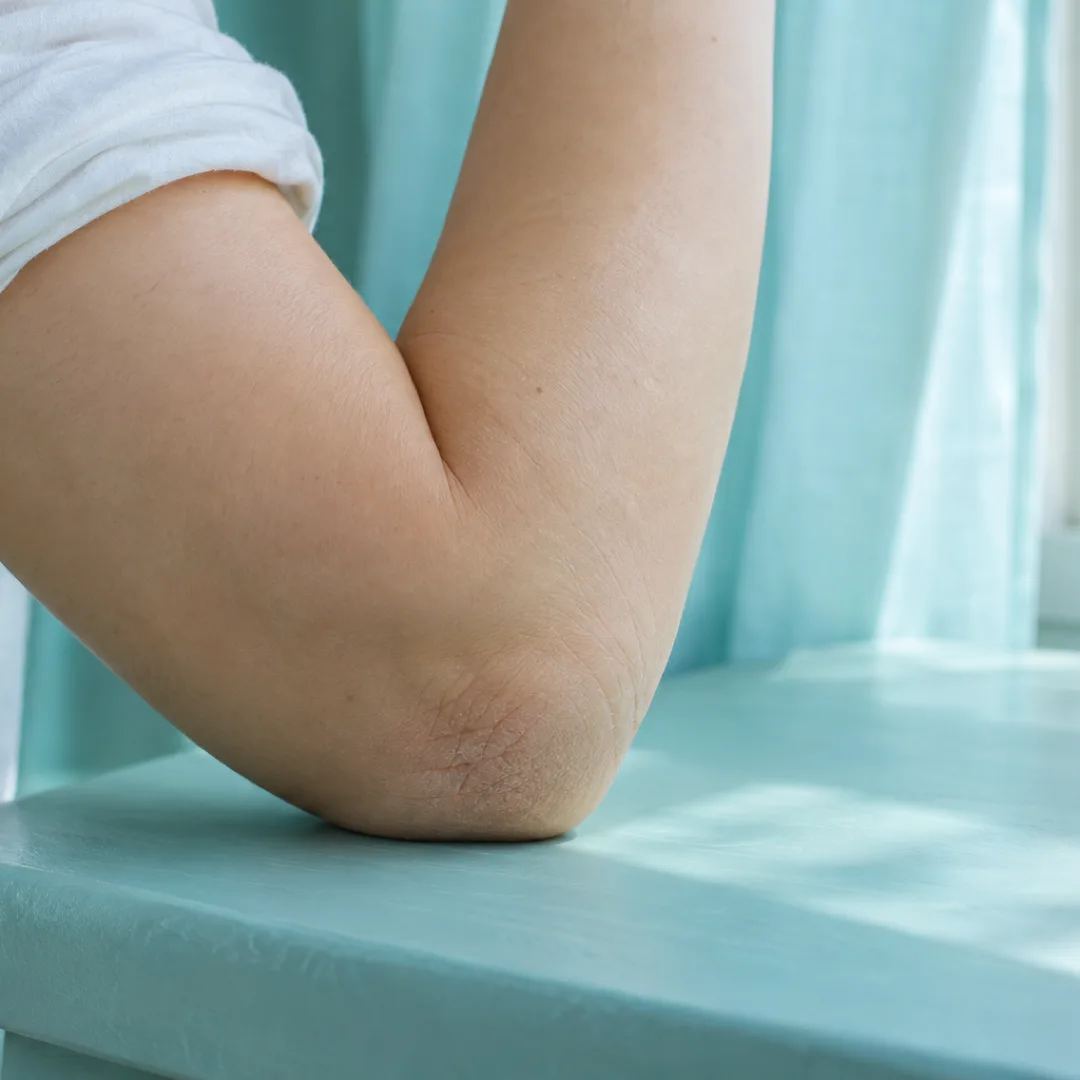
The skin over joints is often described as thicker in some ways and drier in others. It folds, stretches, and rubs against sleeves, desks, and floors all day. Those areas also tend to have fewer oil-producing glands than, say, the face, which is one reason they can feel rough even when the rest of your skin is fine.
Hot showers, harsh soaps, cold dry air, and leaning on your elbows at a desk can all add to the problem. Dryness that looks like dullness or light flaking is common and usually cosmetic. Persistent redness, cracking, intense itching, or thick scaly plaques are a different story, and we will get to those below.
Common mistakes that make dry elbows and knees worse
Mistake one: scrubbing them raw
It is tempting to attack rough patches with a stiff brush, pumice, or a gritty scrub. The reason this backfires is that repeated friction can disrupt the skin barrier, leaving the surface more irritated and sometimes darker over time. Rough skin often looks worse right after a heavy scrub because inflamed skin reads as red and tight.
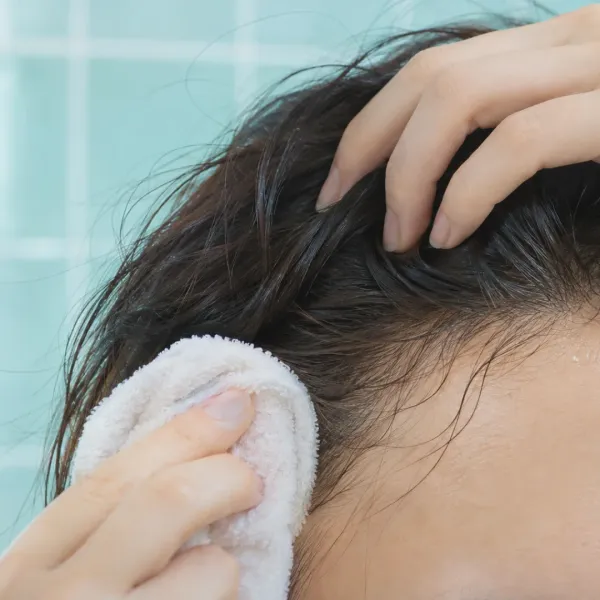
A gentler alternative is a soft washcloth with mild cleanser during a short bath or shower. If you like exfoliating, many people prefer a mild, occasional approach and stop if anything stings or turns pink. How often is right depends on your skin, so go slowly and watch how it responds.
Mistake two: long, very hot showers
Hot water feels great on cold mornings, but it can strip away the natural oils that keep skin soft. The longer the exposure, the more drying it tends to be, and joints already low on oil feel it first. Many people notice tightness the moment they towel off, which is a hint the skin is losing moisture.
Lukewarm water and a shorter rinse are commonly suggested instead. The American Academy of Dermatology has general guidance on managing dry skin that points to limiting very hot water and using gentle cleansers, which fits this approach. Pat the area dry rather than rubbing, and leave a little dampness on the skin before moisturizing.
Mistake three: reaching for a fragranced, thin lotion and calling it done
Light, heavily scented lotions often feel pleasant but can evaporate quickly and sometimes irritate sensitive skin. Fragrance and certain preservatives are common triggers for stinging or redness in some people. If your elbows feel dry again an hour later, the formula may simply be too light for that area.
Richer creams and ointment-style moisturizers are generally better suited to dry, rough zones. Look for fragrance-free options and read the ingredient list, since reactions vary from person to person. If you are unsure what suits your skin, a pharmacist can help you narrow the choices.
Mistake four: moisturizing only when it already looks bad
Waiting until patches look ashy means you are always playing catch-up. Dry skin tends to respond to steady, repeated care over time rather than one big effort. A single heavy application after weeks of neglect rarely changes much.
Building moisturizer into something you already do, like after washing up in the evening, makes it easier to stay consistent. Keep a small tube where you will see it, such as by the bathroom sink or on a nightstand. Gradual improvement is the realistic goal.
Mistake five: ignoring the habits that rub and press
Leaning on hard desks, wearing rough fabrics, or kneeling on hard floors keeps irritating the same spots. Moisturizer cannot fully outrun constant friction. This is one of the quieter reasons the problem keeps coming back.
Small tweaks can help, like using a padded forearm rest, choosing softer sleeves, or using a cushion when kneeling. They will not transform skin on their own, but they reduce the daily wear that the skin has to recover from.
What to do instead: a simple, gentle routine
A calm routine works better than an elaborate one. The idea is to cleanse gently, trap moisture, and protect the area from ongoing irritation. Here is the general shape of it.
- Cleanse mildly. Choose a gentle, fragrance-free cleanser and lukewarm water, and keep the shower on the shorter side.
- Pat, do not rub. Leave the skin slightly damp so a moisturizer has something to seal in.
- Moisturize with a richer product. Creams and ointments are commonly preferred over thin lotions for rough areas. Follow the product label for how often to reuse it.
- Protect from friction. Soft fabrics and cushioning can reduce repeated rubbing.
- Be patient. Skin usually improves gradually, not overnight.
About exfoliating ingredients
Some body products contain ingredients such as lactic acid, urea, or salicylic acid, which are often used to soften rough, thickened skin. They can be helpful for some people and irritating for others, especially on skin that is already cracked or inflamed. Because strengths and formulas differ, read the product directions and ask a pharmacist if you are unsure whether one suits you.
If you take prescription topical medicines or have a skin condition, check with your clinician before adding active ingredients. Combining several strong products at once is a common way to end up with stinging, redness, or peeling.
Adjusting your approach to your situation
In cold, dry weather
Winter air and indoor heating pull moisture from the skin, so elbows and knees often get worse this time of year. Many people find that a heavier cream, and sometimes a humidifier at home, fits better when the air is dry. Covering the area with clothing outdoors also reduces exposure to wind and cold.
For darker skin tones
Dry skin can look especially ashy or gray on deeper skin tones, and repeated irritation may leave darker patches behind. That makes gentle handling even more important, since harsh scrubbing can encourage discoloration in some people. If darkening persists, a dermatologist can help work out the cause.
For stubborn, thick, or scaly patches
Persistent thick, silvery, or very red patches on elbows and knees can sometimes be related to a skin condition rather than simple dryness. The National Eczema Association and the American Academy of Dermatology both describe conditions like eczema and psoriasis as common causes of recurring rough or scaly skin. These need proper evaluation, and cosmetic moisturizing alone is not designed to address them.
When to see a professional
Consider booking an appointment with a doctor or dermatologist if you notice any of the following:
- Skin that is cracked, bleeding, oozing, or painful
- Strong itching that disrupts sleep
- Patches that spread, thicken, or keep returning despite gentle care
- Signs of infection, such as warmth, swelling, or pus
- Any new rash that appeared after starting a product
A clinician can tell you what is going on and discuss options that fit your situation. Anything involving prescription creams or medicated products should be used as directed by a pharmacist or doctor.
Frequently asked questions
Can I use the same moisturizer on my elbows as on my face?
If your facial moisturizer is light and absorbs quickly, it may not be rich enough for rough elbows and knees, which tend to need a thicker cream or ointment. If it is a heavy, fragrance-free formula, it may work in both places, though facial skin can react differently from body skin. Check the ingredient list and test a small area first if you have sensitive skin.
Do I really need to exfoliate to get smoother elbows?
If your skin is only mildly dry, regular gentle cleansing and consistent moisturizing may be enough, and exfoliation is optional. If you have thick, rough buildup, a mild exfoliating product used with care is sometimes chosen, but harsh scrubbing can cause irritation as described above. When in doubt, ask a pharmacist or dermatologist which approach fits your skin.
Why do my elbows and knees stay dry even though I moisturize?
If you moisturize but still rub the area on desks or floors, hot showers and friction may be undoing your effort. If the product is a thin or fragranced lotion, a richer fragrance-free cream may suit the area better. If the patches are thick, scaly, very red, or keep returning, a skin condition could be involved, and a professional can help sort that out.
Disclaimer: This article is for informational purposes only and is not a substitute for professional medical advice, diagnosis, or treatment. Please consult a licensed professional for personal health decisions.
Related reading: How to Care for Skin on Your Neck: Fix Common Mistakes