How Often to Reapply Sunscreen: What Actually Changes It
Sunscreen reapplication timing is one of the most searched skincare topics once the weather warms up, and also one of the most confusing. Labels, social media videos, and well-meaning friends all seem to say something slightly different. Add makeup, a desk job near a window, and a beach day into the mix, and it is easy to feel unsure whether you are doing too much or too little.
The short version: the general guidance from U.S. public health agencies is that sunscreen wears off with time, sweat, water, and rubbing, so it needs to be topped up during extended time outdoors. The exact schedule depends on the product label, your activity, and how much sun exposure you actually get. This article explains the reasoning behind that, walks through two everyday scenarios, and points out where a professional's input is worth seeking.
Where This Question Comes Up

The question tends to appear in a few predictable places. People start thinking about it before a vacation, after a sunburn they did not see coming, or when they notice that the sunscreen they put on at breakfast seems to have vanished by lunch. It also comes up for people who wear sunscreen daily as part of a routine and wonder whether a morning layer is enough for a full workday.
Another common trigger is makeup. Many people apply sunscreen first, then foundation, and then realize that reapplying over a finished face feels impractical. That tension between what the label suggests and what daily life allows is a big part of why the topic never goes away.
The Core Idea Behind Reapplication
Sunscreen is not a one-time shield. According to the U.S. Food and Drug Administration (FDA), sunscreens are regulated as over-the-counter products, and their labels carry directions about how and when to use them. The American Academy of Dermatology and the Centers for Disease Control and Prevention (CDC) both describe reapplication as part of normal sun protection, particularly after swimming or heavy sweating.
Why protection fades
Several things happen after sunscreen goes on. Some of it rubs off on clothing, towels, hands, and hats. Some is lost with sweat and water. Over a long stretch outdoors, the product can also break down as it absorbs or scatters sun exposure. None of this means the product is faulty; it is simply how a topical layer behaves on moving, perspiring skin.
What the label tells you
The product label is the most reliable starting point, because it reflects the specific formula. Many labels mention reapplying after a set period outdoors and after swimming or sweating. Terms like "water resistant" are also regulated by the FDA, and the label is expected to state how long the water resistance lasts. Water resistant does not mean waterproof, and it does not mean the product never needs to be refreshed.
For the exact timing, amount, and method for your particular product, follow the directions printed on its packaging. If you have questions about a specific formula, a pharmacist or dermatology professional is the right person to ask.
Broad spectrum and SPF in plain terms
SPF mainly reflects protection against UVB rays, the type most associated with sunburn. A "broad spectrum" label indicates the product is also designed to address UVA rays. A higher SPF number does not remove the need to reapply, which is a point people often miss. Reapplication is about keeping an even layer on the skin, not about stretching the number.
Two Everyday Situations, Two Different Answers
To make this concrete, here are two imagined scenarios. They are general illustrations, not accounts of any real person, and your own situation may sit somewhere in between.
Scenario one: a full day at the beach or pool
Picture someone spending most of a sunny day outdoors, swimming, toweling off, and sweating in the heat. This is the situation sun-safety guidance is mainly written for. Water, friction from towels, and perspiration all strip product from the skin, so the layer applied in the morning is unlikely to still be doing its job later in the day.
In this scenario, the label's water resistance statement matters a great deal, and so does paying attention to what happens between swims. Towel drying removes product even from a water resistant formula. Shade, hats, and protective clothing also reduce how much the sunscreen has to do on its own, which is why public health agencies describe sunscreen as one tool among several rather than a stand-alone solution.
Scenario two: an office day with a window seat
Now picture someone who applies sunscreen in the morning, commutes briefly, and then spends most of the day at a desk. Their exposure is lower and steadier, with little sweat or water contact. For this person, the reapplication question is genuinely different.
Whether midday reapplication makes sense depends on how much time they actually spend in daylight, such as a lunchtime walk, an outdoor commute, or sitting beside a sunny window. Some people choose to refresh their sunscreen if they head outside for an extended period. Others with minimal exposure may not feel the need. There is no single answer, and individual skin sensitivity, skin tone, medical history, and sun-related risk factors all play a role. A dermatology professional can help you decide what fits your circumstances.
How Your Situation Shapes the Routine
Beyond the two scenarios, a few variables tend to shift how often people end up reapplying.
- Activity level: Sweating from exercise, outdoor work, or hot weather generally means more product loss than sitting still in a cool environment.
- Water contact: Swimming, showering off, or even heavy rain can remove sunscreen, regardless of how well it went on.
- Time outdoors: A quick errand and an afternoon hike are very different levels of exposure.
- Strength of the sun: Exposure varies with season, time of day, altitude, and reflective surfaces like water, sand, and snow.
- Skin characteristics: Fair skin, a history of sunburn, certain medications, or certain skin conditions can raise the stakes, and individual guidance matters more.
Reapplying over makeup
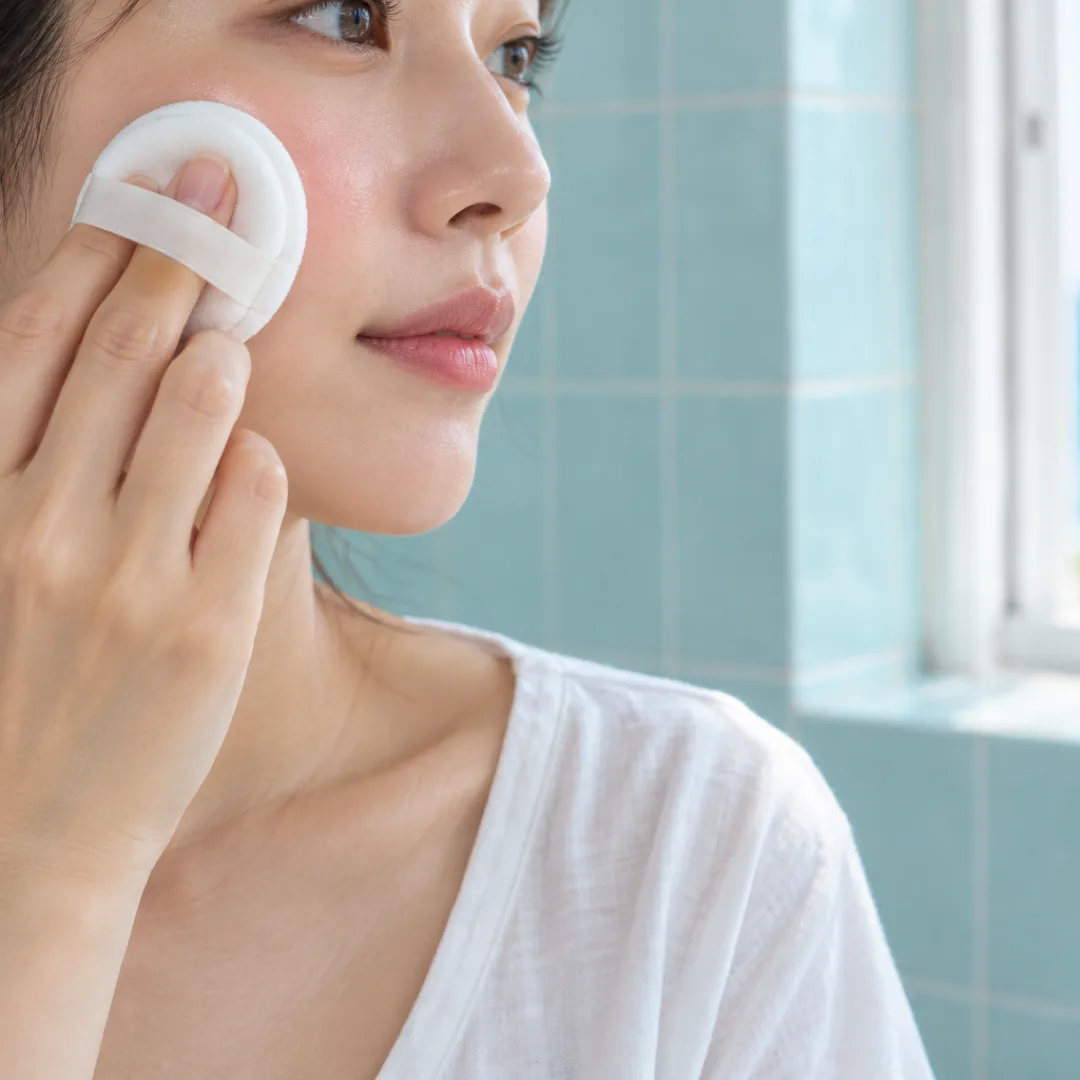
This is a practical sticking point. Many people find that layering more product over makeup is messy, and some turn to alternatives such as powder or spray formulas made for this purpose. Whether those provide the same level of coverage as a standard lotion is something people often debate, and product labels and manufacturer information are the best guide to what a given item is designed to do. If this is a regular challenge for you, it may be worth asking a skincare professional how to build sun protection into a makeup routine.
Sensitive or reactive skin
Frequent reapplication means more contact with the ingredients in a product. People who notice stinging, redness, itching, or breakouts after using a sunscreen may be reacting to a specific ingredient or to the formula as a whole. Reactions vary from person to person, and a patch test on a small area is a common precaution people discuss. If irritation persists or worsens, it is sensible to stop using the product and check in with a clinician rather than pushing through.
Related reading: How to Read Skincare Product Claims With Confidence
Common Misunderstandings
"A higher SPF means I can skip reapplying"
This is probably the most widespread assumption. A higher SPF number does not change the fact that sunscreen wears off from the skin. Public health guidance generally treats reapplication as separate from the SPF value, so a high number is not a reason to go all day without refreshing the layer.
"Water resistant means it lasts through swimming"
Water resistance on a label refers to a limited window, and it assumes the product has not been rubbed away. Toweling off, sweating, and time all reduce what is left. The label's wording is the best clue to how long that window is for your product.
"Cloudy days and indoor time don't count"
UV exposure does not disappear when the sky is overcast, and some UV can pass through glass. How much that matters depends on how long you are exposed and how sensitive your skin is. Many people find it useful to think about total daily exposure rather than simply whether the sun looks bright.
"One thin layer is plenty"
People often apply less sunscreen than they think they do, and a thin layer may not give the protection the SPF number suggests. Because the right amount and technique depend on the product, check the label directions and, if you are unsure, ask a pharmacist or skincare professional to explain what the packaging means.
"Sunscreen alone is enough"
The CDC and other public health bodies describe sunscreen as one part of sun protection, alongside shade, protective clothing, hats, and sunglasses. Relying on sunscreen alone, especially during peak sun hours, leaves gaps that reapplication cannot fully close.
Putting It Together
Understanding how often to reapply sunscreen comes down to knowing why the layer fades and then matching that to your day. The product label sets the baseline, water and sweat shorten how long protection lasts, and your time in the sun determines how much it matters. Two people using the same bottle can reasonably end up with different routines.
It also helps to treat sunscreen as one piece of a broader approach rather than a guarantee. Results vary, no product blocks everything, and skin responds differently from person to person. If something about your routine feels uncertain, the product's own directions and a qualified professional are better guides than any rule of thumb found online.
Conclusion
Here are the main takeaways in three lines:
- Sunscreen wears off through time, sweat, water, and friction, so reapplication is a normal part of sun protection, and the product label is the best starting point.
- How often it makes sense depends on your situation, such as a long day outdoors versus a mostly indoor day, and a higher SPF does not replace reapplying.
- Sunscreen works best alongside shade, clothing, hats, and sunglasses, and reactions and needs vary from person to person.
Consider talking with a dermatologist or other qualified professional if you have a history of skin cancer or frequent sunburn, take medications that affect sun sensitivity, have a skin condition, notice a changing mole or unusual spot, or react to sunscreens. They can help tailor sun protection, including how often to reapply sunscreen, to your skin and lifestyle.
Disclaimer: This article is for informational purposes only and is not a substitute for professional medical advice, diagnosis, or treatment. Please consult a licensed professional for personal health decisions.