How Diet Relates to Skin Health: What We Know
You cut back on sugar for a week, your skin looks a little calmer, and suddenly it feels like food is the whole story. Or a breakout shows up after a big weekend of takeout, and you wonder if the two are connected. How diet relates to skin health is real but nuanced: eating patterns may influence how skin looks and behaves for some people, yet food is only one factor alongside genetics, hormones, sleep, sun exposure, and skincare habits.
That balance matters, because the internet tends to swing between "food is everything" and "food does nothing." The honest answer sits in the middle, and it comes with plenty of personal variation. Below, the questions are arranged from the easiest to the trickiest.
Does what I eat actually show up on my skin?
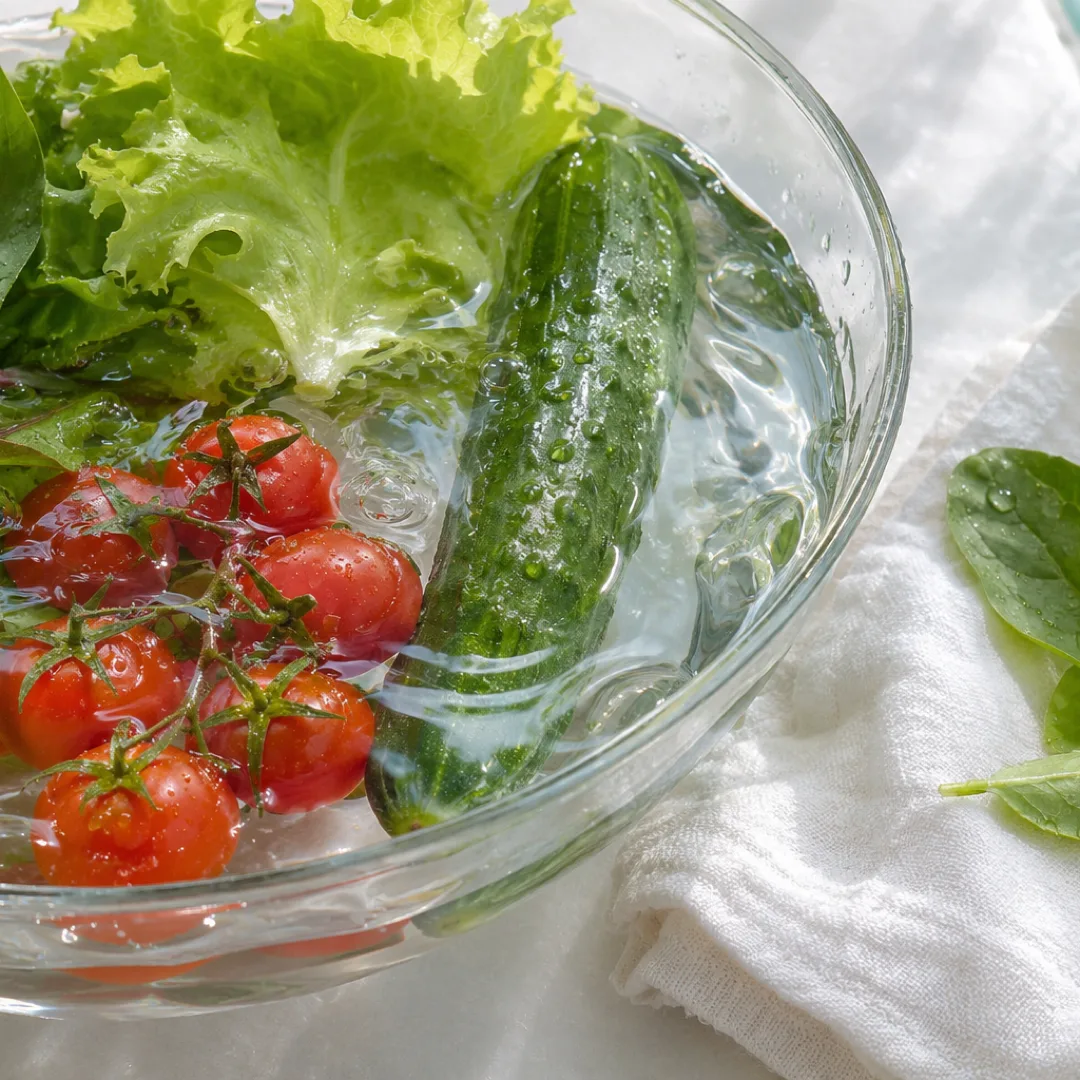
Often it can play a role, but it is rarely the only cause. Skin is an organ that relies on the same nutrients, hydration, and energy as the rest of the body, so a long-term eating pattern may influence how it looks and feels. The effect is usually gradual rather than overnight.
The American Academy of Dermatology has noted in its general public information that research on diet and skin conditions is still developing, and that links are clearer for some concerns than others. That is a useful reminder to treat food as one piece of a bigger picture, not a switch you flip.
Why the connection is hard to pin down
Skin changes slowly, and many things happen at once. If you change your diet, you might also sleep differently, feel less stressed, or alter your skincare routine without noticing. Any of those could shift how your skin looks, which makes it tricky to credit one food.
Nutrition studies also face practical limits. People report what they eat from memory, diets overlap, and everyone starts from a different baseline. This is why careful writers avoid sweeping promises about a single "skin food."
What genetics and hormones add
Some skin tendencies run in families, including how oily skin is, how easily it gets irritated, and how prone it is to breakouts. Hormonal shifts, such as those around puberty, menstrual cycles, or pregnancy, can also change skin independent of what is on your plate.
So if a friend's clear-skin diet did nothing for you, that does not mean you did it wrong. It may simply mean your skin is influenced by different factors.
Related reading: How Stress Shows Up on Skin and What to Make of It
Which eating patterns do people most often link with skin?
The patterns discussed most often are those built around whole, varied foods: plenty of vegetables and fruit, whole grains, legumes, nuts, and sources of healthy fats. The U.S. Dietary Guidelines for Americans describe this kind of varied, nutrient-dense approach for general health, and many people find it a sensible foundation for skin as well. It is a starting point, not a skin treatment.
Some research has explored whether foods that raise blood sugar quickly relate to acne in certain people, and whether dairy plays a part for some. The findings are mixed, and the National Institutes of Health general information on acne notes that the role of diet is still being studied. Reactions vary from person to person.
Nutrients people commonly talk about
A few nutrients come up again and again in skin conversations. They are part of normal nutrition, and the point here is awareness, not a shopping list.
- Protein: the body uses it to build and maintain tissues, including skin structure.
- Vitamin C: found in many fruits and vegetables and involved in normal collagen formation, according to the NIH Office of Dietary Supplements.
- Vitamin E and other antioxidants: present in nuts, seeds, and plant foods, and often discussed in relation to everyday skin protection.
- Omega-3 fats: found in fatty fish and some plant sources, and widely discussed for their role in overall health.
- Zinc: a mineral the body needs in small amounts, found in foods like legumes, seeds, and meat.
Getting these from food is the usual approach in general nutrition guidance. Whether a supplement makes sense for you is a question for a pharmacist or doctor, since needs and risks differ by person.
Hydration and the skin barrier
Drinking enough fluid supports general body function, but it is not a guaranteed route to "plump" skin. Dry or tight skin is often tied just as much to weather, harsh cleansing, and a weakened skin barrier as to how much water you drink.
If your skin feels dry, a gentle routine and a moisturizer suited to your skin type often matter more than counting glasses of water. Persistent dryness or irritation is worth mentioning to a dermatologist.
Related reading: Morning vs Evening Skincare Routine: How to Choose What Fits You
Can changing my diet fix acne, eczema, or other skin conditions?
Diet changes may be one part of managing some skin concerns, but they are not a replacement for professional care. Acne, eczema, rosacea, and psoriasis each have their own causes and care options, and food is only sometimes a contributing factor. Anyone dealing with a persistent or painful condition benefits from a proper evaluation.
The National Eczema Association and the American Academy of Dermatology both emphasize in their public resources that food triggers are not the main driver for everyone. For some people, a specific food allergy does matter, and that is something an allergist or doctor can assess with testing rather than guesswork.
The risk of cutting out whole food groups
It is tempting to eliminate dairy, gluten, or sugar all at once to see what happens. Broad restrictions without guidance can leave gaps in nutrition and can make it harder to tell what, if anything, is affecting your skin.
This is especially worth caution for children, teens, anyone pregnant or breastfeeding, and anyone with a history of disordered eating. A registered dietitian or doctor can help structure changes more safely.
If you want to observe your own patterns
Some people keep a simple note of meals and skin changes over a stretch of weeks to look for patterns. It is not a diagnostic tool, and skin can fluctuate for reasons that have nothing to do with food.
If something seems to repeat, bring your notes to a professional rather than drawing firm conclusions on your own. They can help separate coincidence from a real trigger.
When to see a professional
Some signs are worth getting checked rather than managing through food alone:
- Breakouts that are deep, painful, or leaving marks
- Rashes that itch intensely, blister, or keep returning
- Sudden skin changes after eating a particular food, especially with swelling or trouble breathing, which needs urgent care
- A mole or spot that changes in size, shape, or color
- Skin concerns that affect your sleep, mood, or confidence
A dermatologist can discuss options that fit your skin, and a dietitian can help if food is part of the picture. Results differ between people, so it is worth setting realistic expectations from the start.
Frequently asked questions
Do skin-focused supplements work the same way as food?
Not necessarily, and the evidence for many skin supplements is mixed or limited. Foods deliver nutrients alongside fiber and other compounds, while supplements isolate a few ingredients, and some can interact with medications or cause reactions. Ask a pharmacist or doctor before adding any supplement.
Is it normal for skin to look different when I'm stressed or short on sleep, even if I eat well?
Yes, many people notice this. Stress and poor sleep are commonly discussed as influences on skin, and they can overlap with changes in eating habits, which makes cause and effect hard to separate. A steady routine for sleep, food, and skincare tends to be easier on skin than swinging between extremes.
Does alcohol or caffeine change how skin looks?
For some people, yes, though the effects vary. Alcohol can be dehydrating and may disrupt sleep, which can indirectly show up in how skin looks, while caffeine reactions differ widely from person to person. If you notice a pattern, a professional can help you interpret it in the context of your overall health.
Disclaimer: This article is for informational purposes only and is not a substitute for professional medical advice, diagnosis, or treatment. Please consult a licensed professional for personal health decisions.